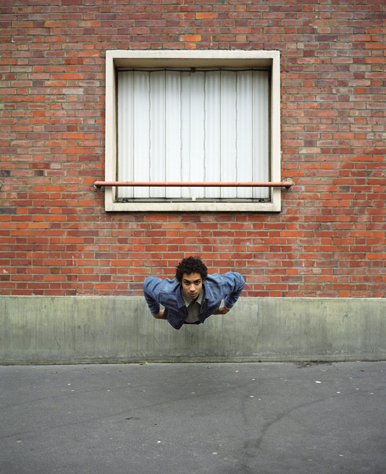
Oh Maggie…

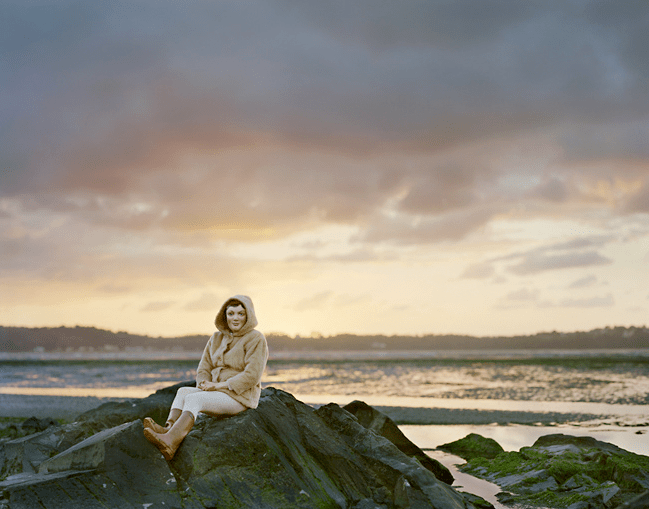
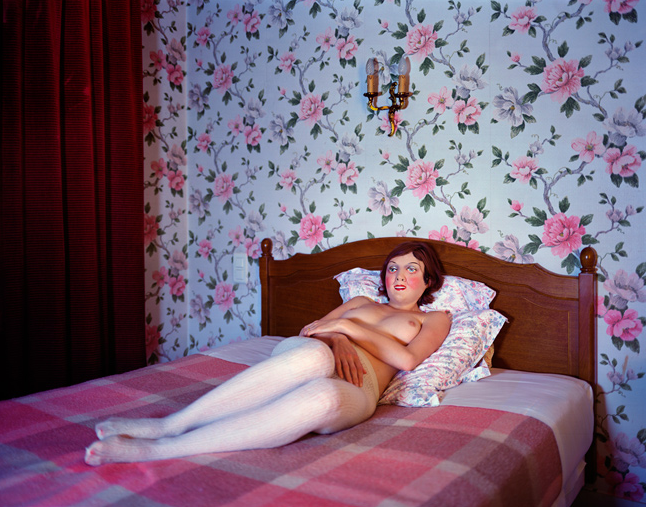
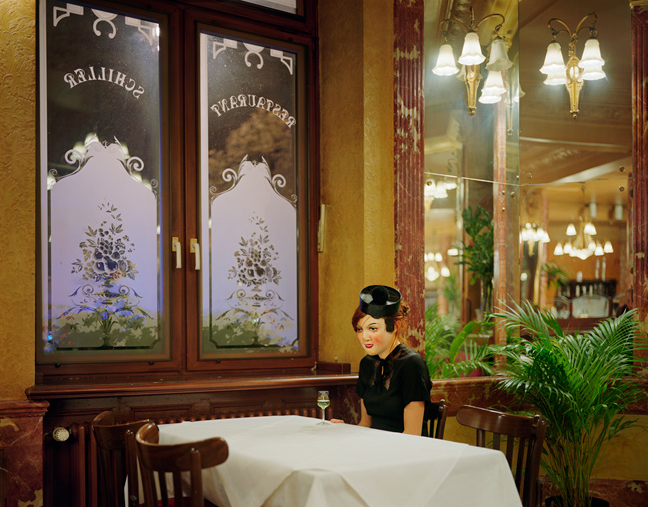
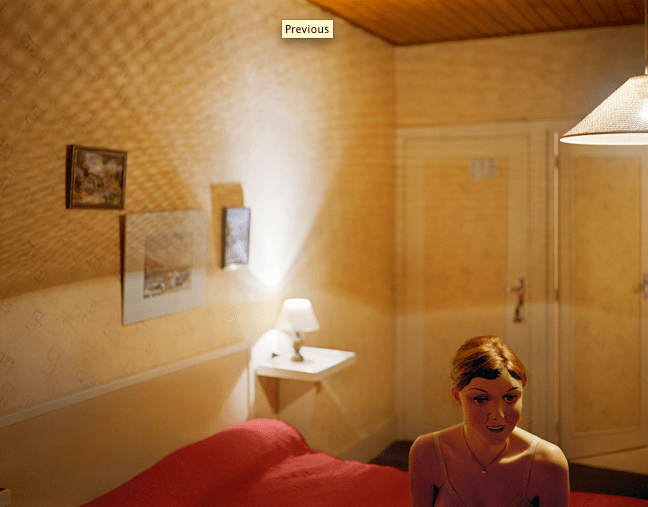
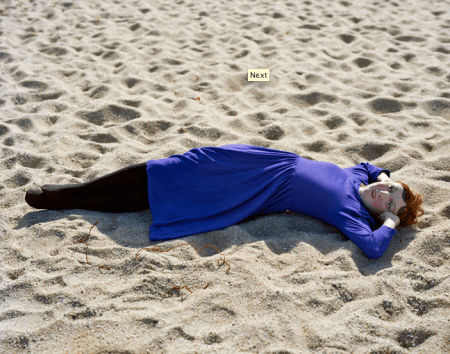
If you haven’t been exposed to Ofer Wolberger or the Life With Maggie project, well then here’s your chance to be wowed by greatness.

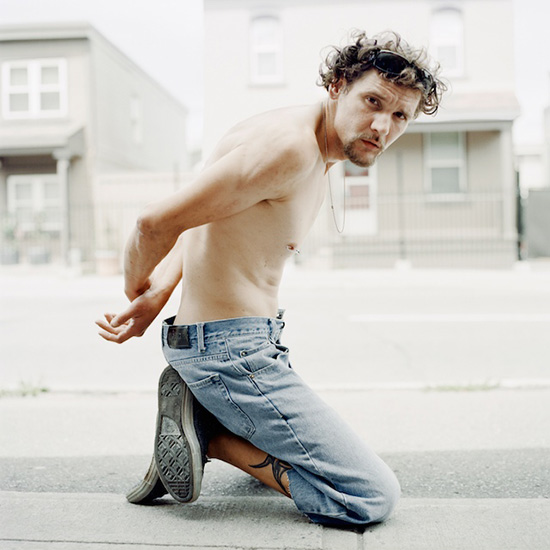
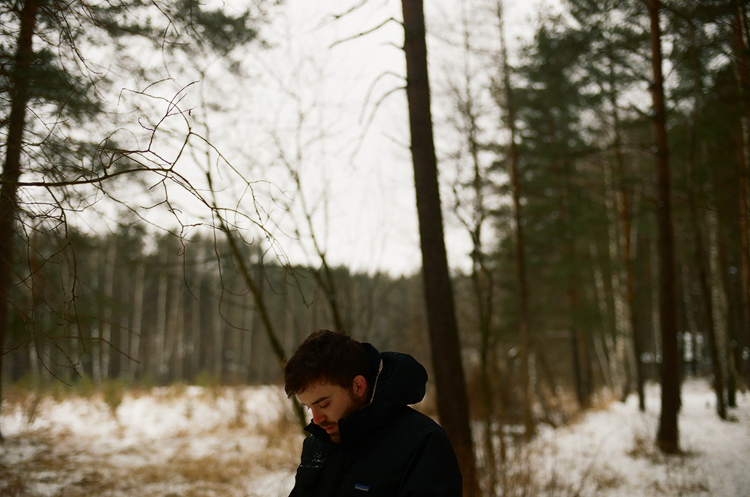
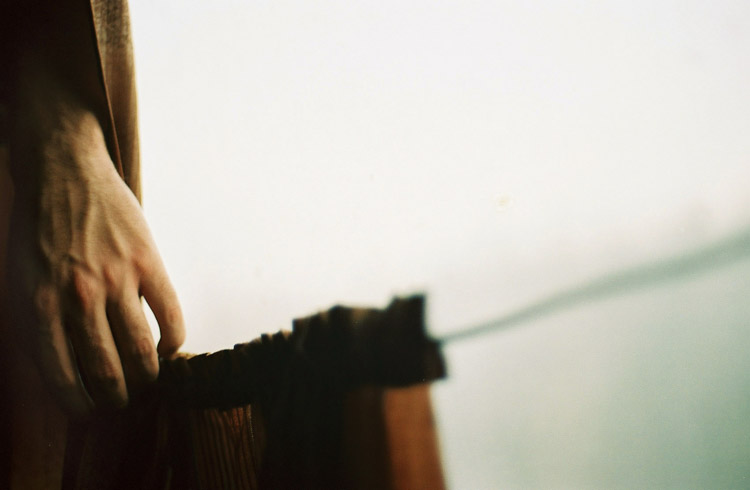
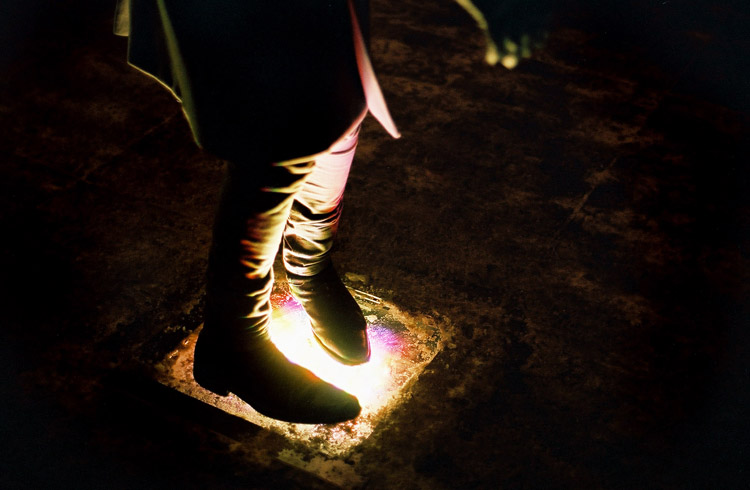
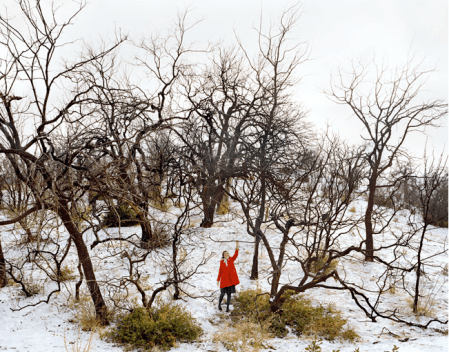
Life With Maggie introduces us to a character in a complicated and intimate way. As an archetype of a “tourist,” a “lover,” and a “friend,” Maggie is simultaneously a blank canvas and filled with a specific and familiar personality. Ofer photographs this character just as we would photograph ourselves and friends during our travels, as souvenirs and hard copies of our memories. The photos are technically gorgeous and the complex references made by the reoccurring Maggie figure make this one of my favorite projects. I keep coming back and revisiting Ofer’s site to see if Maggie will continue her travels.

Check out Ofer Wolberger’s site for more amazing work. I’ve posted so many here because I just can’t choose my favorites! What do you think of Maggie?

Ofer Wolberger

Ofer Wolberger

Ofer Wolberger

Ofer Wolberger

Ofer Wolberger

Ofer Wolberger

Ofer Wolberger

Ofer Wolberger

Ofer Wolberger

Ofer Wolberger

Emerging photographers, get your act together!

Hey all you “emerging” photographers, I have a secret for you. Nothing will ever get easier and nothing will happen unless you make it. I know I know, it is SO cheesy and easier said than done, but also very true. The best part? Getting the ball rolling can lead to glorious things. Feeling like combing through the digital universe for grants and contests is just too much for your Monday to handle?

Awwww… Here you go, I’ve made it easier. Check out links below to the Brooklyn Arts Council and Jen Bekman’s all mighty Hey, Hot Shot! contest.

Brooklyn Arts Council, Community Arts Regrant Program

Deadline: September 24th, 2009

Hey, Hot Shot!

Deadline: October 23rd, 2009

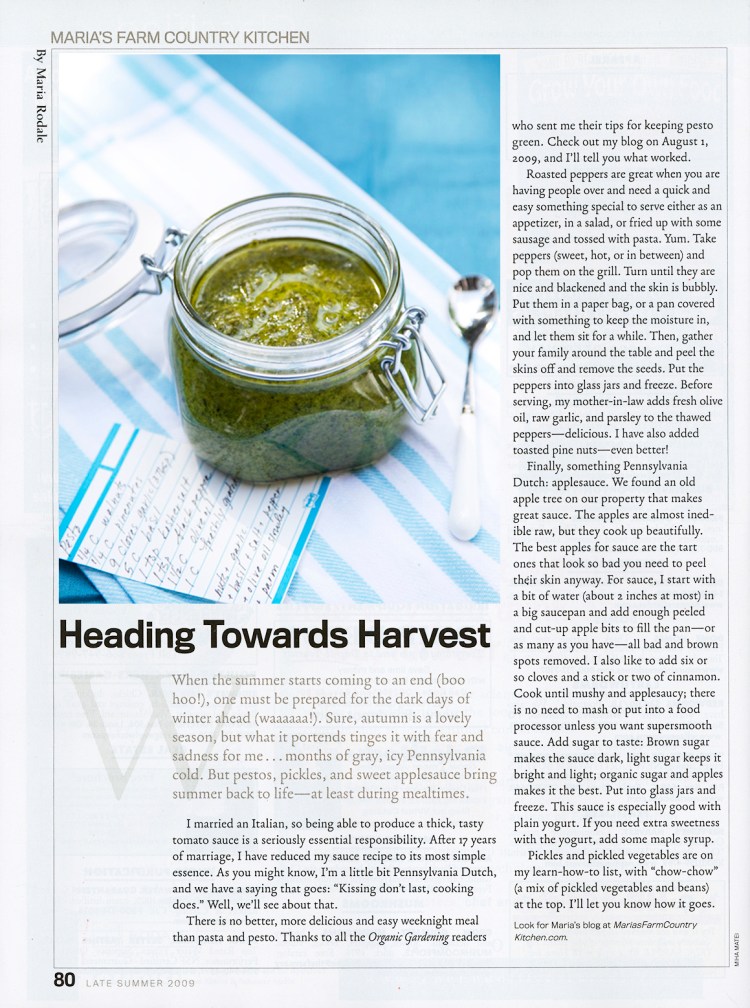
Miha Matei in Organic Gardening Magazine

Organic Gardening CoverCheck how Miha Matei’s scrumptious image of pesto for the August/October issue of  Organic Gardening Magazine! Mmmm….

Miha has been shooting tons lately so check back for updates!! I’ll be posted more as soon as they’re released.

See her full portfolio on our site here.

—————————————————————–

—————————————————————–

—————————————————————–

August/October Organic Gardening

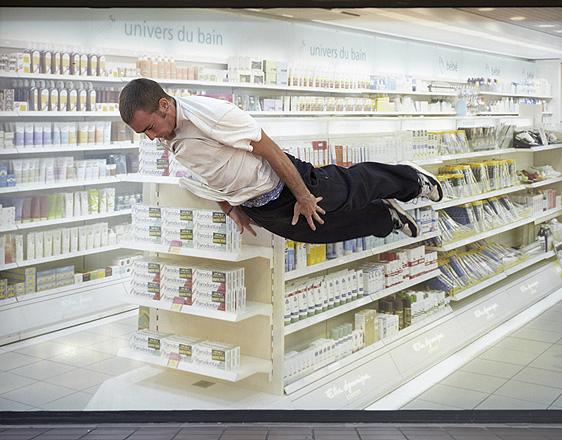
Bravo Publicis…

Clever advertising makes me happy… Happy Friday to you too.

wonderbraFB-600x424

Details:

Advertising Agency: Publicis Conseil, France
Executive Creative Chairman: Olivier Altmann
Copywriter: Olivier Dermaux
Art Director: Matthieu Vinciguerra
Account Team: Gaëlle Morvan, Manuella Perche
Photographer: Reza Behnam
Published: April 2009
Media: Outdoor and Press

Another event tonight…

If Young Curators, New Ideas II isn’t enough of a Thursday evening agenda for you, stop on by Slideluck Potshow at Canoe Studios, 601 W 26th St, Suite 1465, NY.

Our wonderful friend Robert Wright will be in the show and he is in very good company. He joins…Myriam Abdelaziz, Kyohei Abe, Christopher Anderson/Magnum, Rob Ball, Yasmina Belkacem, Eric Cheng, Carlos Ciccelli, Gregory Crewdson/Luhring Augustine, Alinka Echeverria, Shepard Fairey, Tim Hetherington, Edith Maybin, Peter Mullaney, Christoph Niemann, Claudio Papapietro, Paolo Pellegrin/Magnum, Platon, Alex Prager/Yancey Richardson, Jing Quek/Josette Lata, Kim Reierson, Benjamin Rusnak, Jonah Samson, Emily Schiffer, Kelly Shimoda, Pete Souza, Parsley Steinweiss, Phillip Toledano, Brian Ulrich, D.A. Wagner, Erin Wigger, Robin F. Williams, Kristiina Wilson, Lisa Wiseman, Michael Wolf/Aperture, James Worrell

Want to know more about Slideluck Potshow?

From their site:

Slideluck Potshow is a non-profit organization devoted to building and strengthening community around food and art.  In addition, it is our objective to promote public appreciation of the visual arts and to provide art education opportunities to school-age children in New York City.

Slideluck Potshow sponsors exhibitions of artistic works, each produced in an entertaining slideshow format, designed to showcase works created by novice, undiscovered, and established artists.  These exhibitions create a forum for exposing the general public, artists, and other members of the arts community to new work, while infusing the arts community with a non-commercial vitality and refreshing exchange.  Aspiring, Undiscovered and very accomplished artists, photojournalists, painters, designers, sculptors, fashion and fine art photographers all show their work alongside one another in a relaxed, egalitarian, and spirited atmosphere.  This slideshow format offers emerging artists a unique forum and opportunity to reach new audiences.

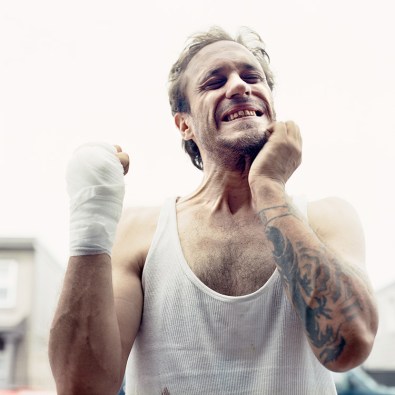
Tony Fouhse, Behind the Scenes of USER

Tony Fouhse

In our most recent Q&A about the role of a photographer’s personal work, I invited photographer Tony Fouhse to chime in after I became an avid fan of his USER project. Check out some behind the scenes shots of his progress on the project here. Nice work Tony!

Tony Fouhse

Young Curators, New Ideas II

If you still haven’t come to a decision about what to do with your Thursday evening, take a look at Young Curators, New Ideas II, which will be showing at PPOW in Chelsea. Amani Olu organized the show in conjunction with PPOW Gallery. The group exhibition will focus on new voices in contemporary art through the perspective of seven New York based curators. I am interested to see how these curators experiment with the relationship between art and the physical space … will they do anything all that surprising? I’m counting on it. I was sold once I heard Amy Elkins was involved (I’m a huge fan of her work and of her participation in Women in Photography).

Come by and say hi to me and see what promises to be a great show!

Tierney Gearon
Tierney Gearon, Untitled 2001, Curator: Women In Photography

Young Curators, New Ideas II will be on display August 6 to August 28th, with the opening reception being August 6, 2009 from 6-8 pm.

PPOW Gallery

511 W 25th St., 301

Curators: Karen Archey, Cecilia Jurado, Megha Ralapati, Jose Ruiz, Nico Wheadon, Cleopatra’s (Bridget Donahue, Bridget Finn, Kate McNamara, Erin Somerville), Women in Photography (Amy Elkins, Cara Phillips)

Michele Abeles
Michele Abeles, 2nd of January 2008, Curator: Women In Photography
Las Hermanas Iglesias
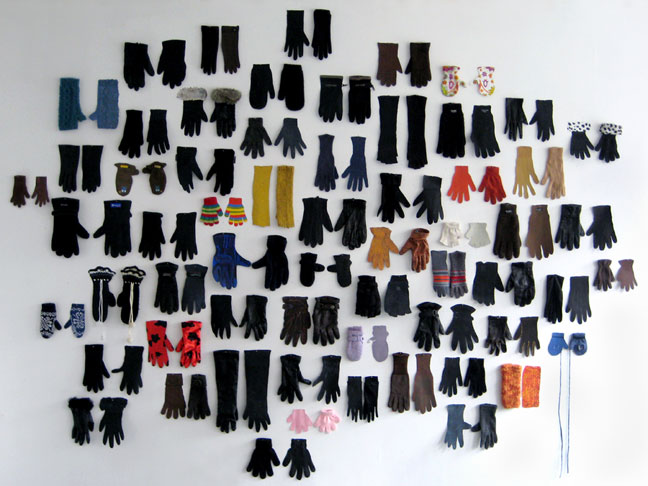
Las Hermanas Iglesias, Lost Glove 2009, Collection of 62 single gloves found in Paris (October 2008-April 2009) and gouache on paper, Curator: Jose Ruiz

Required Reading: Being an Art Buyer

I highly recommend taking a peek at Heather Morton’s new post on her blog, Heather Morton Art Buyer. Heather provides interesting and extremely valuable insight into her process. Many are quick to vilify an art buyer when the job doesn’t go their way, but it isn’t always as simple (or as personal) a decision or as you might think. Check it out here. Thanks Heather!

“Let’s be clear: my job isn’t to “fight for the photographer”. My job is to fight for the best expression possible for the brand. Happily, sometimes these things coincide.” – Heather Morton

Dire Financial Condition

For as long as I’ve lived and worked in NYC, there have been rumors suggesting the financial difficulties of Annie Leibovitz. As a young assistant, I had first hand experience with this. In the late 1980s I worked for her as a freelance photo assistant on a shoot for Vanity Fair Magazine. The job went without a hitch and was eventually published. It was a wonderful experience to work for such a legend. Collecting my fee was a different story. After 45 days with no check in hand, I called her studio asking when I would receive payment. They gave me the number of her accounting firm. When I contacted them they indicated that they had not yet been paid. After a couple of months of getting nowhere, I call the magazine directly. They explained that Ms. Leibovitz receives a monthly check from Conde Nast and that they had paid her for the job I worked on months ago. I eventually received my check,which amounted a few hundred dollars. I’m not surprised to see the latest article in The New York Times which I have included below.

I have also attached links to The Daily Beast and Gawker, who offer their own perspective on the situation.
It is unfortunate that such a major talent,who earned great fortune as well as acclaim could become a victim of her own financial mismanagement.

– ghi contributor

What’s Wrong With This Picture?

source: NYTimes, David Carr

leibovitz460
Annie Leibovitz's portrait of the Queen. Photograph: Annie Leibovitz/ Contact/nbpictures

Annie Leibovitz has a reputation as one of the most talented people working behind a camera, but she is apparently less adept at handling money than images — with New York real estate serving as her Waterloo.

“An art finance company that lent the photographer Annie Leibovitz $24 million against every photo she has ever taken – and against the value of her homes in Manhattan and Rhinebeck, N.Y. — filed a breach of contract lawsuit against her in State Supreme Court on Wednesday.”
Charging that Ms. Leibovitz engaged in “boldly deceptive conduct,” Art Capital Group wants the court to order the photographer to allow real estate agents to enter her townhouses to make an appraisal on the property with an eye toward liquidating the properties to meet her obligations.

The suit contends that in October, she signed an agreement granting Art Capital the right to sell all her photos, her town houses in Greenwich Village, and her summer home in Rhinebeck if she did not meet her payments.

But beyond the implication that Ms. Leibovitz, who has had seven-figure contracts with Conde Nast Publications for many years, spends like a sailor on shore leave, the story by Allen Salkin mentions that she bought three adjoining townhouses in the West Village and then began lengthy renovations. An editor who has worked with Ms. Leibovitz for many years, but asked not to be identified speaking on her private finances, said what looks like a spendthrift artist could be a much more common story.

“I’m pretty sure that her business agent told her when she was making all the money she was making that New York real estate would be a good place to put it,” the person said. “But then she got involved in all of these horrendous renovations, which is a story many of us have lived through in New York and now that photo budgets are being cut back everywhere, I’m sure she doesn’t have nearly as much money coming in.”

So, apart from the part about the three townhouses, the $24 million and the lucrative contracts, Ms. Leibovitz is just like the rest of us.

Additional links: Gawker, Daily Beast

Q&A: Role of personal work?

What is the role of a photographer’s personal work?

As a photographer, how do you negotiate the two halves of your creative self? Does there have to be a separation between the two? As a buyer, do separate bodies of work confuse things or make an individual more interesting? What if a photographer’s personal and commercial photography are drastically different?

Personally, I feel that doing work for yourself has the power to ground you in your career and keep you focused. It is always important to put yourself in the art director’s chair now and then. This month I’ve put this question out to some of my favorite people in the industry. As always, thank you so much to all the contributors! If you’d like to be contacted about being a part of the Q&A series in upcoming months, or have feedback, please email me at jacqueline@glasshouseassignment.com. Enjoy!

– Jacqueline Bovaird, Assignment Rep, Glasshouse Assignment
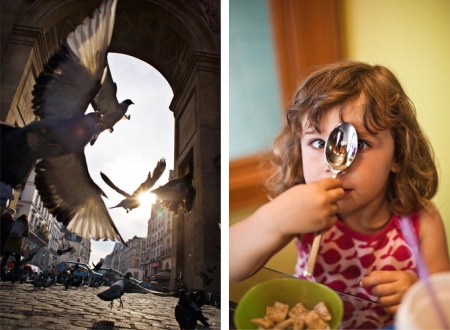
Evan Kafka, Personal Work

EVAN KAFKA, PHOTOGRAPHER

I am obsessed with photography. I can’t stop photographing. I photograph my family constantly. It keeps me interested, keeps me sharp. We just took a family trip to Finland and I shot 1500 pictures, mostly of friends and family. I have to record my life. I can’t stop myself. A friend mentioned that he feels like he is missing out on life when he does that. I don’t feel that way. For me it is part of enjoying life. It’s an impulse. It’s my hobby.

At the moment I especially like that I am doing my personal work mostly with the same camera that I do my professional work, the Canon 5D Mark II. This is great because I stay close to that camera at all times. There is no period of getting used to the camera.

My professional work is pretty formal and usually lit, a lot. My personal work is completely the opposite: available light, hand held and wide open. It helps me stay balanced.

See Evan’s personal work in our client access section (password: kafka) or by clicking here and here: Abstractions, Commute and Occurrences.

•••
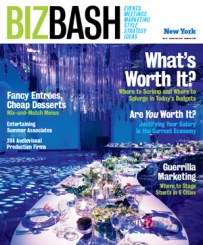
BizBash Cover

ALISON ZAVOS, PHOTO EDITOR, BIZBASH MEDIA, PUBLISHER, FEATURE SHOOT

I think personal work is most successful when it’s an extension of the photographer’s commercial work, an outlet used to take risks and to explore subjects or styles without any outside interference. I know of many photographers who have taken jobs in order to fund their edgier personal work, which in turn can lead to more interesting paid work. So in the end, it can become an investment, if executed well.

•••

MartinAgency

CINDY HICKS, ART BUYER, THE MARTIN AGENCY

Personal work I love, it shows me that the photographer loves his/her craft & does it for themselves not just for the money. Often I hire someone based on that work, since jobs are most often the vision of the agency/art director/client. I like to see how they experiment & stretch themselves creatively.  It often shows another side, since really art is a rarity in advertising these days.

I have seen so much bad photography and the personal work can be horrifyingly bad, like back first year art school stuff, I try to stay away from those, we are lucky that the people we tend to hire are not at that level (with this economy it could change).

Ryan Schude

RYAN SCHUDE, PHOTOGRAPHER

The role of personal work is to fulfill a desire to create. A concept will strike you and inspire the need to see it actualized. Ideally, you are communicating something with that image in the process. The same should happen in commercial work, except you are working with someone else to communicate a combination of their concept and your personal aesthetics.

Tony Fouhse

TONY FOUHSE, PHOTOGRAPHER

Personal work keeps me sane!  In fact, if you look at my web site, more than half the galleries are the result of personal projects. That’s how sane I am.

With my personal work, I don’t really want to leave a mark on the world, I want the world to leave a mark on me. So I tend to go places where I’ll be kind of uncomfortable, an outsider.  I have a theory that most middle class, first world folks suffer from being chronically comfortable. My personal projects are designed to subtract a certain amount of comfort from my life.

I find that I learn a whole lot more during the brief, intense interludes I spend working on personal projects than I do in a whole year of the dull routine of existence.  Even though, as a commercial and editorial photographer, my routine is rarely dull, but you know what I mean.

And, in the end, that’s the role of personal projects.  To live and to learn.

Check out a recent NYTimes article about Tony here and his blog here.


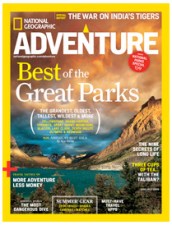
NGAdventure

CAROLINE HIRSCH, PHOTO EDITOR, NATIONAL GEOGRAPHIC ADVENTURE

A lot of our favorite photographers came to photography as a way to document their passion for climbing, kayaking, or biking (even though they might be doing fashion or advertising work now), so personal work (or any work that shows a dynamic eye or perspective) is quite important to us in determining if a photographer is a good fit for us.

AndresCortez_Vox

ANDRÉS CORTÉZ, ART BUYER, THE VOX COLLECTIVE

Super important! You can see the latitude of the photographer.

Keep a look out for next month’s question and email blast!!If you have any ideas, comments, or if you’d like to participate in our monthly email Q&A, please don’t hesitate to contact me, Jacqueline Bovaird. I am always looking for new voices to add to this evolving discussion.
212 . 462 . 4538   |  jacqueline@glasshouseassignment.com

New Work from Miha Matei!

Miha Matei recently photographed for Tia’s Bakery in the LA area. As expected, the photos look gorgeous! Tia’s Bakery is launching a rebranding campaign for their new website.

“Their sweets are agave sweetened, gluten free, grain free, soy free and are vegan. I’m not really sure what they put in them, but they taste as good as they look! We took these photos in the lush bamboo garden at Vernare, an eco friendly furniture showroom, in Los Angeles, CA. The pics are prop styled by the talented Emily Henderson.” – Miha Matei

See a sneak peek below but check back for new photos when the campaign is launched! Enjoy! See Miha Matei’s full portfolio here.

Miha Matei, Tia's Bakery

Miha Matei, Tia's Bakery

Miha Matei, Tia's Bakery

Miha Matei, Tia's Bakery

Miha Matei, Tia's Bakery

For portfolio requests and questions about Miha Matei or any of the Glasshouse Assignment photographers, contact assignment rep

Jacqueline Bovaird.

jacqueline@glasshouseassignment.com  :  212.462.4538

http://www.glasshouseassignment.com

Art & Commerce

Student art Gallery
Elizabeth Eiten / Rhode Island School of Design

contributor: Indigo Jones

A site that provides a forum for emerging student artists to showcase their work, and has a philanthropic twist? Count us in!!

We love the Student Art Gallery, launched last June by two Arizona entrepreneurs, Jeff Skoglind, and Danny Wojtenowski.

Their mission is simple: to bring art to the forefront and support it’s evolution, while giving exposure to student artists and providing a means to sell their work.  Did we mention that a contribution from each sale is gifted back to the artist’s school?

Currently, the site features a highly curated selection of 150 pieces, but the founders hope to represent 1500 works by the fall.
It’s a great way to support the future careers of up and coming artists, find affordable artwork, and help fund the arts programs while you shop. What’s not to love?

Check it out!

Picture 4

Call for Entries!

Submit your promotions!

Promotions are one of the hardest parts of this business. Do you spend extra money to do a snazzy design, but then limit your audience? Or do you do a simple postcard with a big ol image on it? There really is no right answer for everyone… do what’s right for your work and your audience. What do you think?

Submit you’re photography promotional mailings and I’ll post the best ones here on the blog, perhaps in conjunction with a Q&A about the best promotions!

Deadline: August 31, 2009

Submit via mail to:
Attn: Jacqueline Bovaird
Glasshouse Assignment
161 W. 15th St.
New York, NY 10011

Submit via email to:
jacqueline@glasshouseassignment.com
(please put “promotion call for entries” in the subject line)

Good luck everyone!

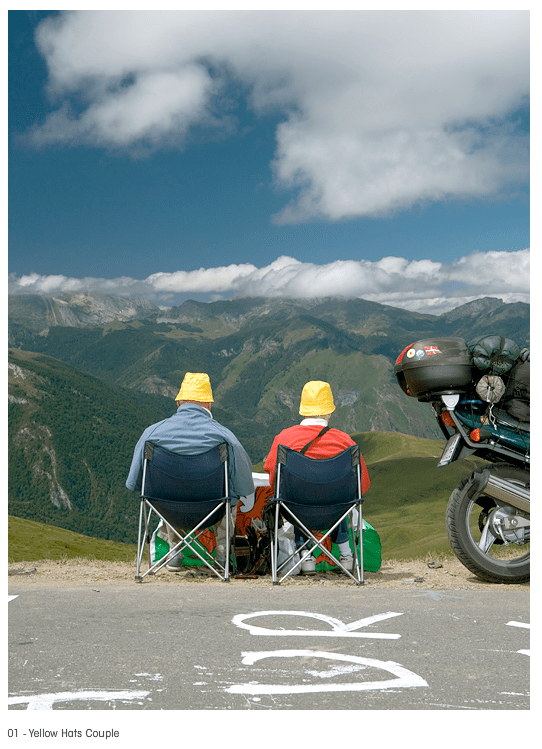
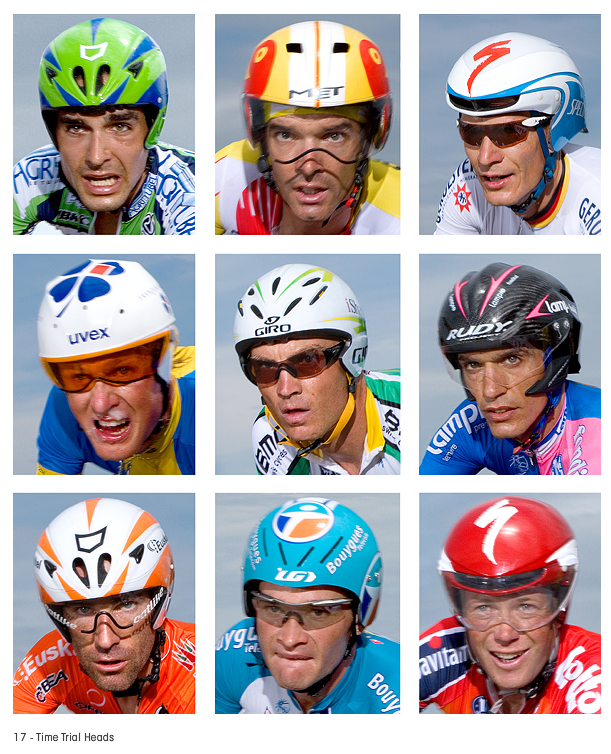
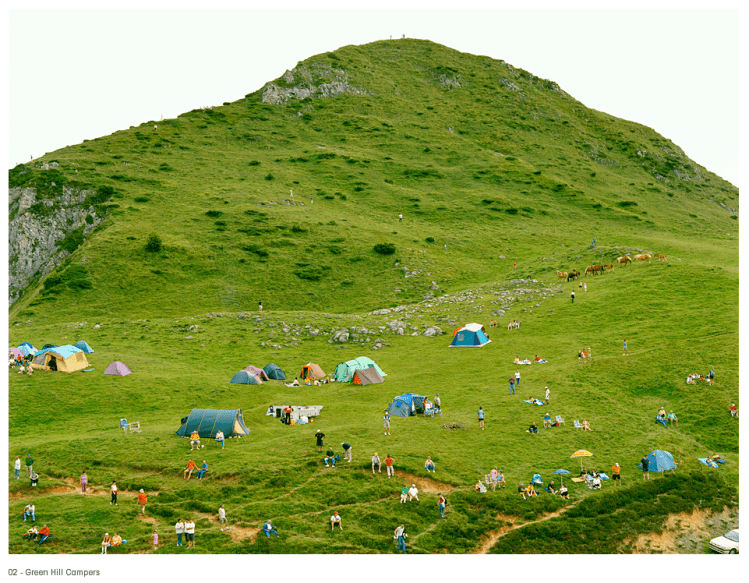
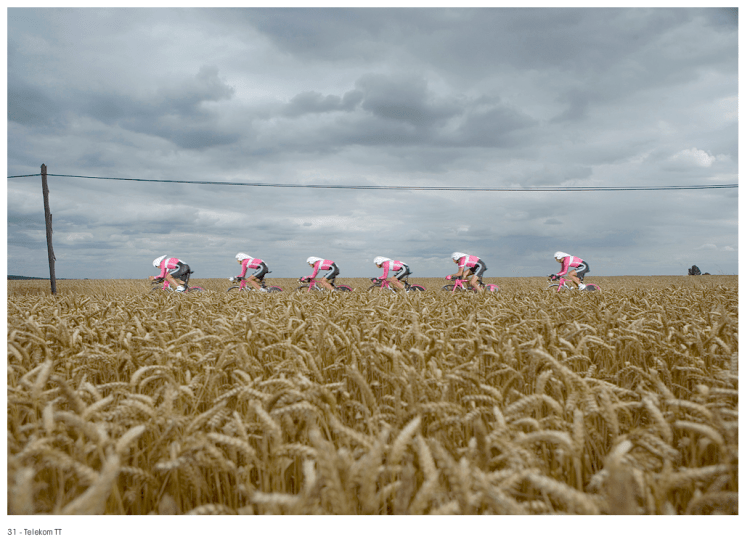
Brent Humphreys – Le Tour

Ok. I know this is old news and most of you already know about this project….but….for those of you who have been too lazy to check it out, I’d like to throw my endorsement into the hat to push you towards the light. Even though I’ve seen these images before they still blow me away every time. Check out Brent Humphrey’s Le Tour project, documenting the Tour de France. If you’re still not convinced, I’ve included some of my favorites from his site below. See play by play commentary on Brent’s project over at WTJ?.

Brent Humphreys - Le Tour

Brent Humphreys - Le Tour

Brent Humphreys - Le Tour

Brent Humphreys - Le Tour

Brent Humphreys - Le Tour

Brent Humphreys - Le Tour

New work from Derrick Gomez

Check out the website launched today for Goldspun! Derrick shot all video and photo for the site.

Derrick Gomez, Goldspun

Check out Derrick’s full portfolio here. For portfolio requests and assignment questions, please contact his rep, Jacqueline Bovaird, at 212-462-4538 or at jacqueline@glasshouseassignment.com.

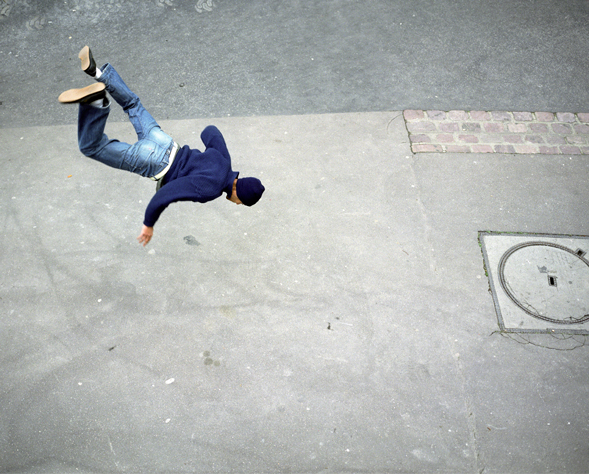
Freefall

“In the current economic, environmental, and political climate, change seems the only constant we can hold onto. And with change comes movement. From shifting markets and politics to 24/7 Facebook feeds and global travel, flux defines our times. Even the production of a print magazine is a shifting series of negotiations, creative processes, and re-interpretations. In issue 09  Design Mind tries to capture this notion of movement in as many ways as possible, whether through the eyes of a ballet choreographer, a parent nurturing a hyperactive child, or a designer trying to manage the flow of ideas”.  Source: Design Mind

Below is a continuation of this notion of motion in Denis Darzacq project La Chute (The Fall)

Here is an excerpt from the Guardian / Angelique Chrisafis

Down and out in Paris

The French riots of 2005 inspired the photographer Denis Darzacq to head for the housing estates on the outskirts of the capital. But he wasn’t after gritty shots of urban deprivation, he tells Angelique Chrisafis. He wanted something more – to capture an entire generation in freefall and with no one to catch them.
The surrealist René Magritte would have happily declared: “This is not a dancer. This is a young French person falling from the sky.” The French photographer Denis Darzacq is just as content to mess with people’s minds. His bizarre series La Chute (The Fall), on show in Paris, has gripped the French art world. People have clamoured to know what on earth is happening in these pictures – taken with a manual camera and not Photoshopped – in which impassive 20-year-olds seem about to hit the ground at high speed. Why are all the shutters closed behind them? Will anyone care if they splatter on the pavement? Will anyone even notice them tumbling to certain oblivion?

La-Chute-N-13
When The Fall won this year’s World Press Photo prize in the “arts and entertainment” category, the organisers rang Darzacq to ask the name of the dance company he had photographed. But it wasn’t a dance company. It was a carefully crafted response of Darzacq and a group of young French people to the alienation of youths on suburban housing estates after the riots that shook France in 2005. “I hate this visual idea of Paris as a baguette or Catherine Deneuve carrying a bunch of flowers,” Darzacq says. “That’s why we lost the Olympics. I’d like us to be able to speak of modernity without blushing.”

DARZ12760-2006CL23-754
Darzacq was born in Paris’s 6th arrondissement, where he had every chance of bumping into Deneuve, but for decades he has lived and worked on the grittier streets of Paris, taking Renaissance-style portraits of people on poor housing estates and touring the characterless pedestrian shopping streets of small-town France.

In 2006, Darzacq dreamt up The Fall. It was partly the horror-struck idea of people falling from the twin towers on September 11, but it was mostly a depiction of an entire generation in France in free fall, ignored by society, their energy untapped and unused. He felt today’s France was the sort of place where someone could tumble from the sky without a net and no one walking down the street would bat an eyelid.

But Darzacq needed young people to play the role of these leaden, expressionless beings dropping from the clouds, and they had to be fit – able to hit the concrete over and over again without smashing themselves up. He went to watch hip-hop and break-dancing shows in Paris, and filmed them. He froze some fuzzy frames in which the dancers appeared to be falling from the sky and went back to them, saying, “I want you to do that.” They said no way, that they couldn’t. “But it’s you,” he said, pointing at the frames. They were intrigued.
La-Chute-N-01
The dancers set about inventing some moves. Darzacq then surveyed the 19th arrondissement for locations, seeking out the most banal modern architecture repeated like an Identikit across Europe, giving the sense that this could be anywhere. But why do all the shutters and blinds seem to be closed – had he asked everyone to lock up shop?

“Find me any ground-floor flat in Paris where the shutters or windows are open,” Darzacq replies. “People are afraid of each other, everyone is a victim of crime – that’s a constant reality in Paris. I didn’t ask anyone to close their blinds. It’s the sad reality of how people live. Who would even see a kid fall?”

He took each dancer on to the street for sessions of up to two hours. He didn’t want recognisable moves, or recognisable clothes. They went to market stalls to buy mundane outfits. He took only one shot per movement.

François Gautret, 27, who runs a hip-hop collective in northern Paris, was one of Darzacq’s subjects. “I wanted to capture the sense of the split second before hitting the ground,” he says. “It was cold, the concrete was very hard, in one picture you can even see my sleeves pulled down over my knuckles so I didn’t wreck my hands when I landed. I totally got his idea of a society in which youth is ignored, feared and left to crash. Even now, during the elections, everyone’s still using Nicolas Sarkozy’s line that every young person on an estate is racaille [rabble], that all anyone does is burn cars.”

La-Chute-N-15
Bintou Dembele, 31, a hip-hop dancer from one of Paris’s southern suburbs, says, “We had to work very fast, the moves had to be very efficient, people were walking down the street, there was no time for hesitation. I was very conscious of him watching me. There was this second each time when we just clicked.”

Dembele started dancing in the street at the age of 10, part of the second generation of self-taught break-dancers and street dancers in France who have struggled but made it to the mainstream. Sitting in a dance studio on Paris’s Left Bank, as young girls arrived with their mothers for her hip-hop class, Dembele says she found the finished photographs a “shocking beautiful” comment on French suburban youth. “I come from there, I know all about the energy of the place that’s going untapped.”

La-Chute-N-02_dark
Another subject was Thierry Rivière, 25, an illustrator from the French Indian Ocean island of La Réunion, who found out about the project by word of mouth at his capoeira group. He describes his moves as levitation, captured on the way down. “Denis was very specific. He wanted no grimacing, he wanted us to be expressionless. The idea of the forgotten urban generation is something I have never experienced, though. In La Réunion, you are poor, but it is a more simple life.”

Darzacq is proud that his work remains open to interpretation. “I like the fact that you can read into these photos whatever you want. Will we let them hit the ground? Will anyone rush out to scoop them up?” ·
Picture 2

NASA deletes history…

This from PDN Pulse:

Picture 2

“The next time you erase an important file by mistake, remember it happens to the best of us. NASA, for one.

The space agency just acknowledged that it can’t find the original tapes that contained the video transmissions of the Apollo 11 moon landing 40 years ago. “A three-year search for these original telemetry tapes was unsuccessful,” NASA said yesterday. ‘A final report on the investigation is expected to be completed in the near future and will be publicly released at that time.”

The AP reports that the tapes were probably erased in the 1970s or 1980s when NASA ran out of tapes and decided to record over a bunch of old ones.

To fix this mistake of historic proportions, NASA hired Hollywood film restorers from Lowry Digital to create the cleanest piece of video they can from surviving copies. If you’re interested in the technical challenges of working with odd video formats, dive right in to this NASA press release.

The full restoration is expected to be finished in September. You can already view some of the restored footage here at the NASA web site.”

Busy this weekend?

If you’re Hamptons bound this weekend make sure to stop by LOLA Gallery on 85 Jobs Street and support some great talent, including one of our favorite photographers, Emily Shur. LOLA New YorkCongrats Emily!
To rsvp for the opening – Saturday 5-8pm, please email info@lolanewyork.com.

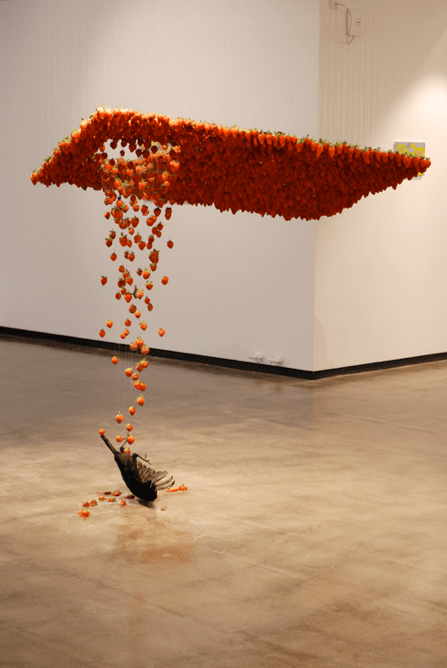
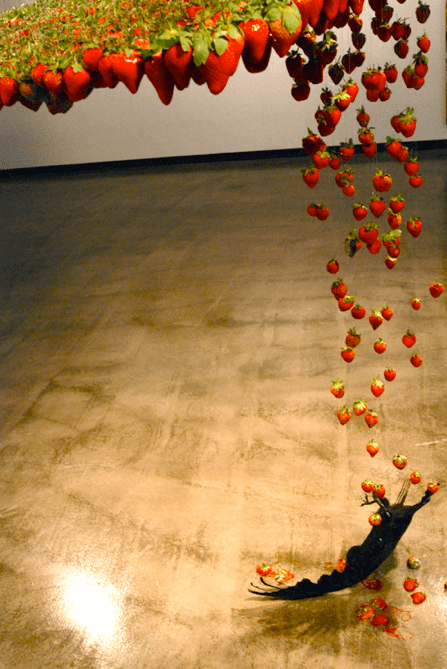
Claire Morgan

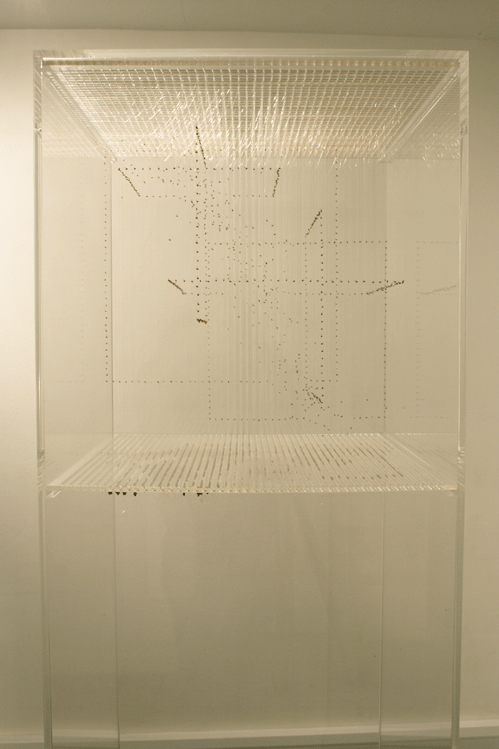
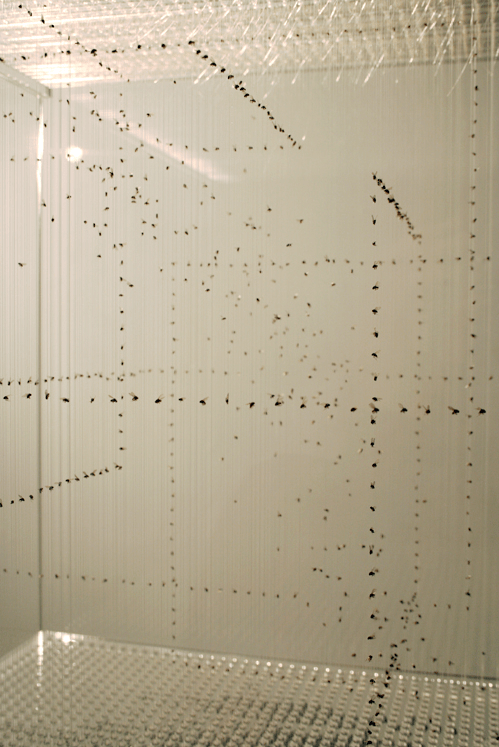
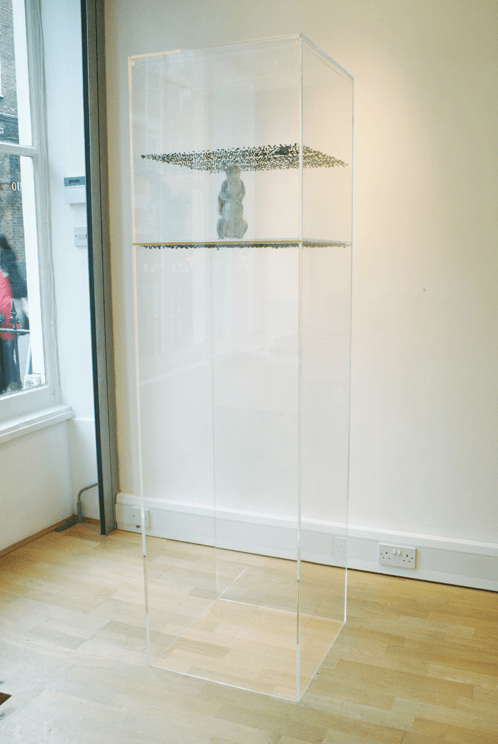
Claire Morgan‘s sculptures might be the most interesting non-photo work I’ve seen a while. She plays with ideas of nature and perfection and death in a seamless way. I’m instantly a huge fan and want to see more. Check it out below:

"Fluid"
"Fluid"
"Fluid"
"Fluid"
"Fluid"
"Fluid"
"Architecture"
"Architecture"
"Architecture"
"Architecture"
"Bed"
"Bed"
"Bed"
"Bed"
"On Top Of The World"
"Stuck In The Middle With You"

Andrzej Kramarz

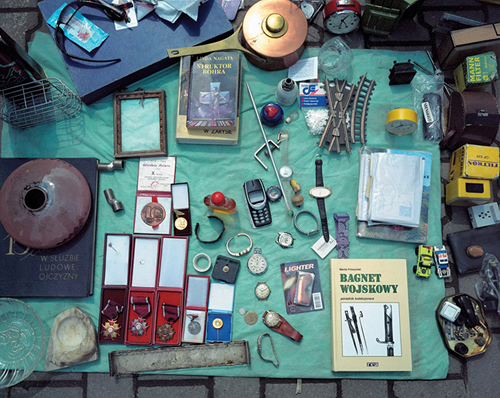
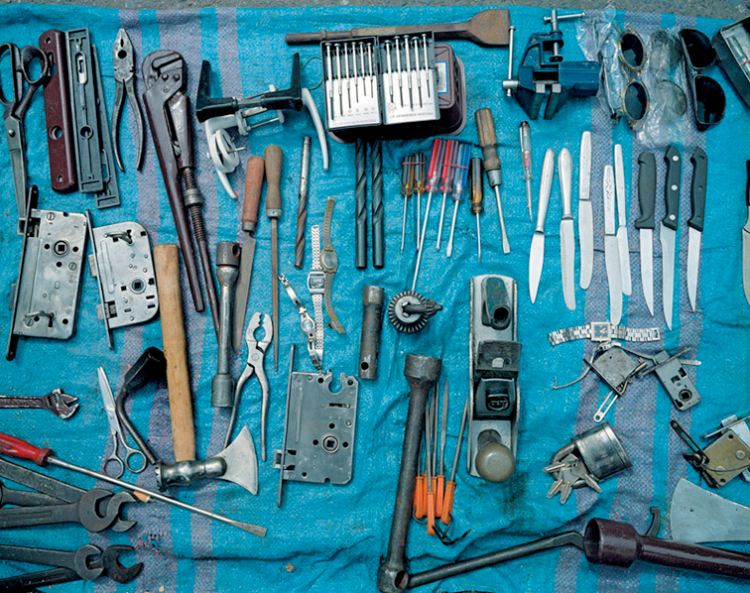
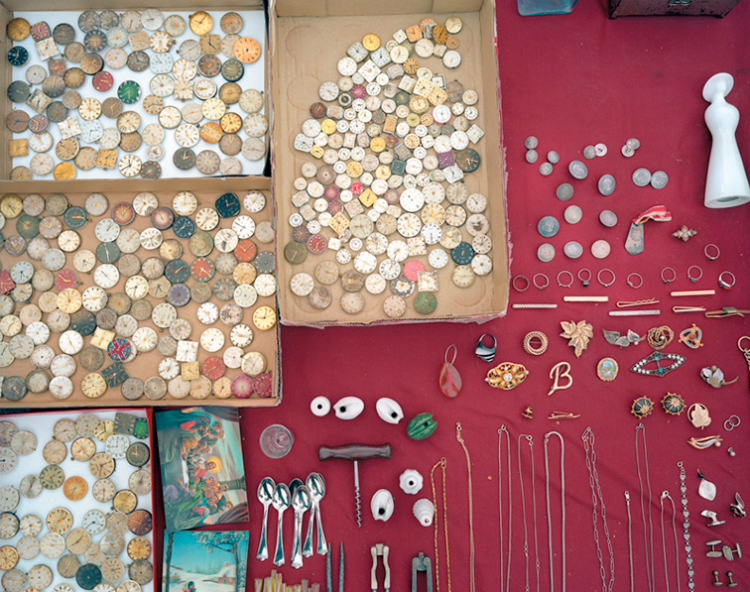
I recently came across this project entitled Rzeczy (Things) by photographer Andrzej Kramarz. I’m interested in a portrait of a person via their belongings. We are at once aware of both the photographer’s viewpoint and that of the collector. Can a person be defined by their own collection of meaningless trinkets? I immediately see these items as belonging to one person and then, in turn, these photographs being a recording of that person. What if they are simply images from a flea market table? Does that change everything? What do you think?

Andrzej Kramarz

Andrzej Kramarz

Andrzej Kramarz

Andrzej Kramarz

Andrzej Kramarz

Andrzej Kramarz

Andrzej Kramarz

Picture 13

Andrzej Kramarz

Required Reading

For those of you who enjoy having your brain stretched on a daily basis, I wholeheartedly recommend Fred Ritchin’s book and blog After Photography. Yesterday’s post on entitled “A New Visual Journalism” really hit home for me and brought up lots of questions. Let me know what you think!

PDN’s five biggest photographers online

Here is an interesting article on PDN about photographers who have successfully marketed themselves online using social networking.

The most important thing to remember….

“It’s clear that success online doesn’t always translate into jobs. A hit YouTube video won’t make your phone ring, and a Twitter stream alone generates no revenue…

However, all of these photographers credit the Internet with leading to some work, and in at least one case, financial success. And it’s hard to overstate the personal satisfaction of having a legion of online fans.”

– Daryl Lang, PDN

Legally Blind Photographer, Part Two

Below is a continuation of a series that I posted a couple of weeks ago “Legally Blind Photographers”. Check out this article by Matt Kettman.

The Art and Heart of Blind Photographers

Blind photography: the very concept sounds like an oxymoron. But an intriguing and often striking exhibition of photographs in Riverside, California, argues that it emanates from the core of contemporary art. The show “Sight Unseen,” at the California Museum of Photography until Aug. 29, features everything from underwater scenes off Catalina Island, transvestites in New Orleans and Braille-enhanced black-and-whites as well as portraits, nudes, landscapes, travel shots, abstracts, collages, and everything else you might expect from a “sighted” photographer. Except the subtext and context is blindness: the photographers are legally blind, some born without sight or with limited vision, and others who have lost their vision over time. And that is why, argues the man who organized the show, they are at the very heart of art.

Picture 24
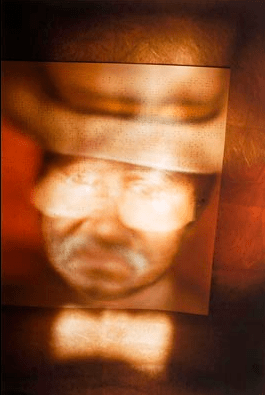
Seeing with Photography Collective, Box Portrait, Jacques. A group of blind artists based in New York, this portrait was made by the group using an updated form of a pinhole camera. The technique is simple: a pinhole camera in a dark room projects an image of an illuminated subject onto braille-punched paper and a digital camera is used to capture the result.

“The whole trajectory of modern art for the last 100 years has been toward the concept of mental construction, and blind photography comes from that place,” says the show’s “sighted” curator Douglas McCulloh, himself a photographer. “They’re creating that image in their head first — really elaborate, fully realized visions — and then bringing some version of that vision into the world for the rest of us to see.” A sample of the photographs posted by TIME.com received a huge amount of attention. (See pictures by blind photographers here.)

How do the blind take their photographs? Some rely on assistants to set up and then describe the shots, and others just point and shoot in the right place. “Just like any good artists,” says McCulloh, “they have their unique ways of operating.”

Picture 23
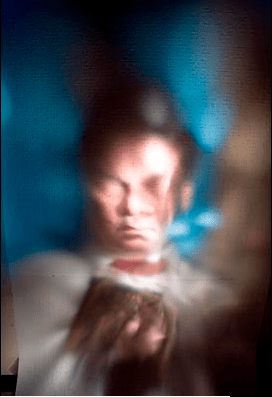
Steve Erra and the Seeing with Photography Collective, Braille Portrait as Antique. Erra comments: "(We) talk all the time about how most people don't really see. They don't pay attention visually to things...I only see parts of things at a time, very small areas at one time. These pictures that we're taking now concentrate on one area at a time. A sharpness, a blurriness...your eyes are always going from one to the other, which is how I view the world, too."

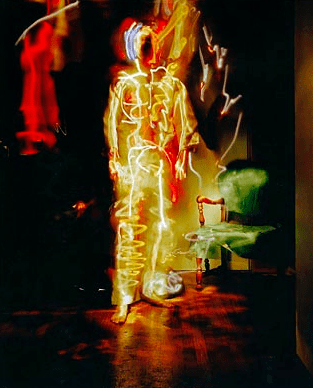
One participating photographer is Pete Eckert, an artist with multiple degrees in design and sculpture who only turned to photography after losing his vision in the mid-1980s. He opens the shutter on his camera and then uses flashlights, lasers, lighters, and candles to paint his scene on film. He explains: “The human brain is wired for optical input, for visualization. The optic nerve bundle is huge. Even with no input, or maybe especially with no input, the brain keeps creating images. I’m a very visual person, I just can’t see.” “Sighted photographers always talk about the difficulty of what they call ‘seeing,'” Eckert adds. “I tell them ‘If you can’t see, it’s because your vision is getting in the way.'”

Picture 22
Kurt Weston, Visor Vision Of the works in Sight Unseen, the show's curator Douglas McCulloh writes, "For these artists, photography is the process of creating physical manifestations of images that already exist as pure idea, whether complex previsualizations that lead to eventual photos, or images imagined and triggered by non-retinal criteria. As such, the show poses an surprising central idea: that blind photographers possess the clearest vision on the planet." The exhibit will be on view at the University of California, Riverside/California Museum of Photography until August 29. To learn more, visit the exhibit website. The photographs are reproduced with the permission of the artists. All rights, copyright, and reproduction rights remain with the artists.

Kurt Weston’s dark and depressing images — many of which are stylized self-portraits — are also a star of the show. A former fashion photographer in Chicago, Weston lost his vision due to AIDS in 1996, and focuses his lens, and sometimes simply his scanner, on images of decay and disability. “I not only want to look at these things, photograph these things, but put an exclamation point on them,” he explains. “I’m saying, ‘You need to look at this disabled body, this aging body. And maybe you need to reconsider your ideas about what is normal or abnormal. You need to look, and I’m going to make you look.'”

Picture 21
Victorine Floyd Fludd, Radiant Abyss. Of her work, Fludd says, "A good picture comes not from outside, but from within. It's a love. Just like when you love someone and you show the love. You're going to go all out to get that picture how you want it to be."

Perhaps the most experienced blind photographers come from New York City’s Seeing With Photography Collective, which has been shooting blind since 1988 under the direction of Mark Andres. The Riverside exhibition features some collaborative group work, but also pieces by individual members. One of those is Sonia Soberats, who explains, “When I tell people I do photography, they don’t believe me. When a person achieves something that others think you can’t because you are blind, you feel it much more.” Another individually recognized collective artist is Steven Erra, who says, “I only see parts of things at a time, very small areas at one time. These pictures that we’re taking now concentrate on one area at a time. A sharpness, a blurriness, a sharpness, a blurriness, your eyes are always going from one to the other, which is how I view the world, too.”

Picture 20
Victorine Floyd Fludd, Children of the Damned. A member of the New York's Seeing with Photography Collective, Fludd was born in Antigua and presently resides in Brooklyn. She lost her vision at the age of 26.

McCulloh has been pursuing these blind photographers for more than a decade, and began pitching the idea of this show four years ago. But the time became right this year, he says because “I’m convinced of its importance. The main trigger is that I’ve seen a real groundswell of interest around the world in a whole lot of different places, including Tel Aviv, Czechoslovakia, Mexico City, London, Los Angeles…. I felt like the movement was really there.” Thanks to crowds and critical acclaim, the exhibit seems likely to show again in Mexico City after leaving Riverside.

Picture 19
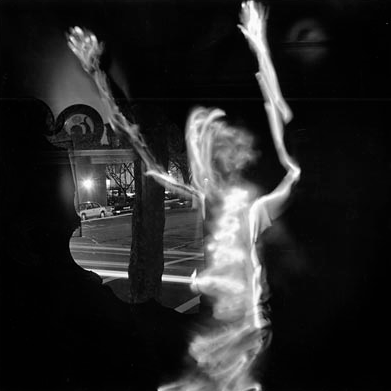
Pete Eckert, Electroman. One of Eckert's techniques involves using a composite body view camera mounted on a tripod. Focusing with notches carved into a focus rail, he throws his studio into total darkness, opens the shutter, and roams the space "painting" his image with light, using flashlights, candles, lasers and other devices.

What do gallery-goers say? “I was very impressed by it. The technique and experience and technical ability that was within the group was amazingly diverse,” says John Hesketh, a printmaker in Anaheim. “You never have a sense of feeling sorry for these people because they’ve worked very hard to be where they’re at.”

Next door to the museum is the Sweeney Art Gallery, where curator Tyler Stallings has seen a steady stream of visitors. “It’s definitely a show that’s brought in a lot of people who may have never been here, even though they live in the area,” says Stallings. He notes that while the show certainly has a curiosity element, the work is not presented in a “superficial” way. He explains that shows that target a “self-defined” community, such as a certain ethnicity, “can oftentimes make it a marginalized exhibition. What’s nice about this show is that Doug made an amazing effort to make it international and to really get quality artwork.”

Picture 18
Pete Eckert, Charlie by the Portal. "I'm a very visual person" says photographer Pete Eckert, "I just can't see." Based in Sacramento, California, Eckert began to pursue photography only after going completely blind in 1980. To him, blindness gives him an advantage. "Sighted photographers always talk about the difficulty of what they call 'seeing.' I tell them 'If you can't see, it's because your vision is getting in the way."

Beyond the praise, however, the exhibition also marks another milestone for disabled people everywhere. That point was explained most poignantly in early May during a panel discussion on the show. At the very end of the talk, one attendee summed it up: “This exhibition is landmark and revolutionary for many reasons…. Because the work is dignified by being at a museum, it’s not a question just of the history of photography, but the history of the civil rights movement. I think that by being an artist with a disability, you are continuing the work of those people who fought for basic civil rights to gain access and to have a voice. In that way, it’s so wonderful that your photographs say it all.”

Picture 16
Gerardo Nigenda, Entre lo invisible y lo tangible, llegando a la homeostasis emocional. Born in Oaxaca, Mexico, the 42-year-old Nigenda calls his images "Fotos cruzados," or "intersecting photographs." As he shoots, he stays aware of sounds, memories, and other sensations. Then he uses a Braille writer to punch texts expressing those the things he felt directly into the photo. The work invokes an elegant double blindness: Nigenda needs a sighted person to describe the photo, but the sighted rely on him to read the Braille. The title of this work translates roughly to: "Between the invisible and the tangible, reaching an emotional homeostasis."

And such tenacity at getting their work recognized is certainly something that McCulloh the curator can appreciate. “These people combine two traits,” he says. “They’re all intensely visual. They just can’t see — and that expresses itself in a whole variety of ways. The other one is they’re furiously independent and determined. This is a group that does not say ‘quit’ in any way.” Or as Weston says, “I guess it’s God’s little joke, having someone who is legally blind do so well in the visual arts.”

Picture 14
Kurt Weston, Mask. A gay man who lost his sight to AIDS in 1996, Weston's work explores the stigma of disease and decay. His daily battle to stay alive is transformed into an unflinching look at his (and our) mortality: "These photographs are about the realization of loss," he says. "About losing your facade. They say, 'This is your new reality. This is your strange new flesh. Let's take a look."

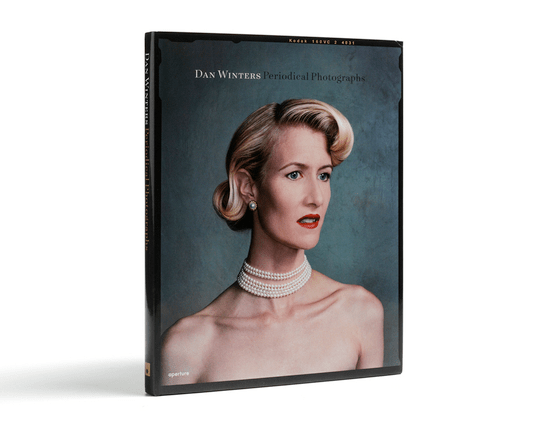
Dan Winters’ “Periodical Photographs”

A must read! See how Scott Dadich and Dan Winters sorted through the final designs of their new collaboration “Periodical Photographs.” It is so great to see the inspiration and the careful considerations that went into each element of the book. Thank you Scott for posting this!

Dan Winters

Bonnie Briant, from Russia with love

Dear Bonnie Briant, you’re pictures make me nostalgic.

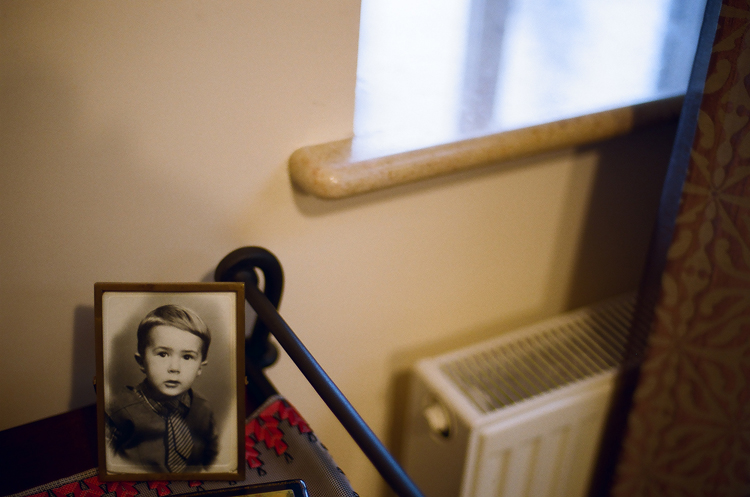
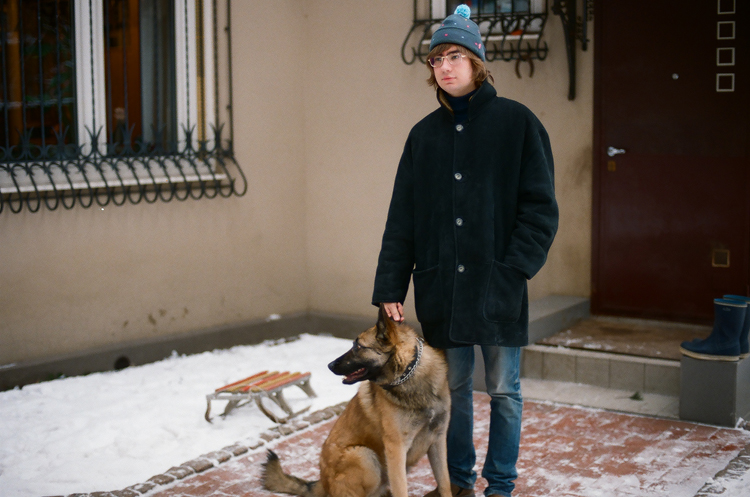
I’ve been a long time fan of Briant’s work, mainly because she captures her subjects in a way I’ve never seen done before. Her imagery is about memory and the value of sitting still long enough to notice the details. They make me want to relive my own memories, frame by frame, just in case I missed something before. Her images plant you firmly in her seat and in her moment. Though certain frames can stand on their own, I feel Briant’s work operates more successfully as a series, as a running dialogue between her camera, her friends and her mood.

These images are appropriately more quiet and cold than her other work (see here). I think it is rare for someone to be so settled in their photographic style and to almost never stray from it, which makes me all the more curious about the work and what she’ll produce next.

Below is a sampling of my favorites from Briant’s trip to Russia. While her work couldn’t be categorized as “travel photography,” I think she does a great job of letting the identity of the landscape filter into her images. Let me know what you think! See more of Bonnie Briant’s work here or on her blog. Enjoy!

Bonnie Briant, Russia

Bonnie Briant, Russia

Bonnie Briant, Russia

Bonnie Briant, Russia

Bonnie Briant, Russia

Bonnie Briant, Russia

Bonnie Briant, Russia

See more of Bonnie Briant’s work here or on her blog, or email me for her contact info (jacqueline@glasshouseassignment.com).