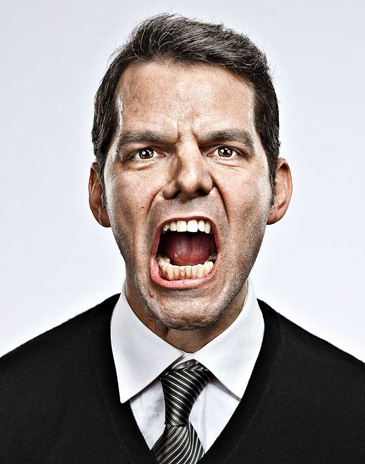
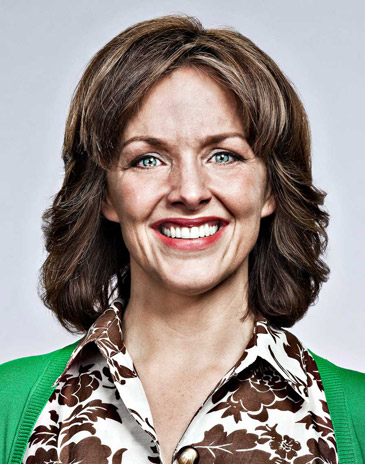
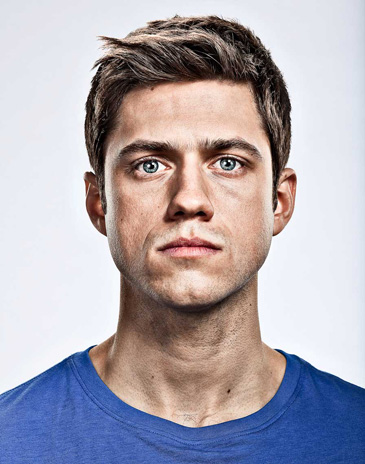
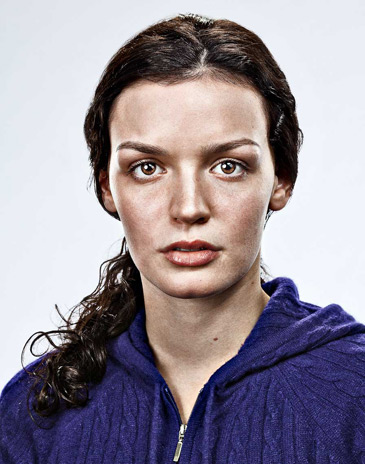
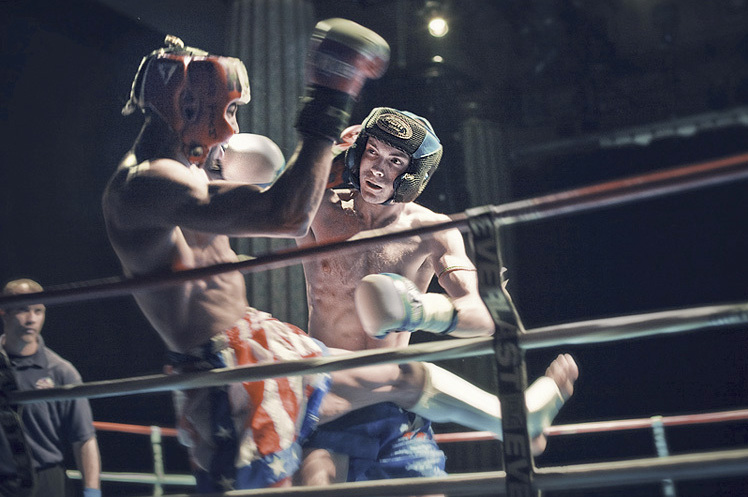
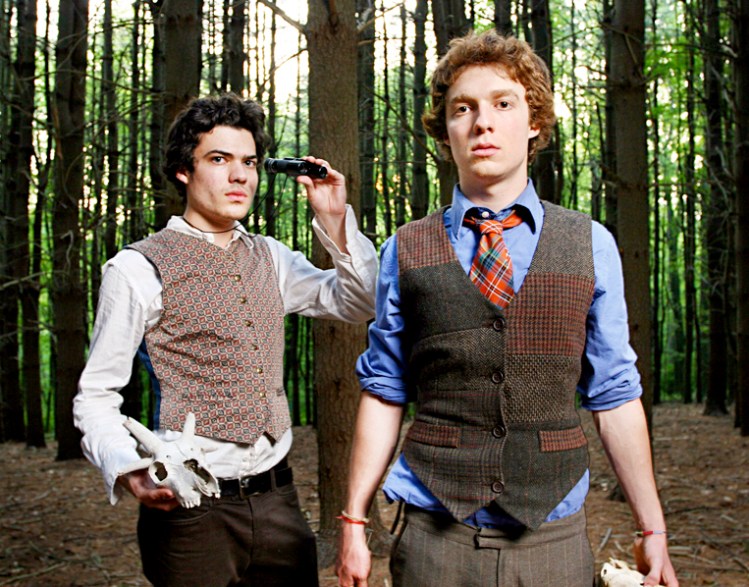
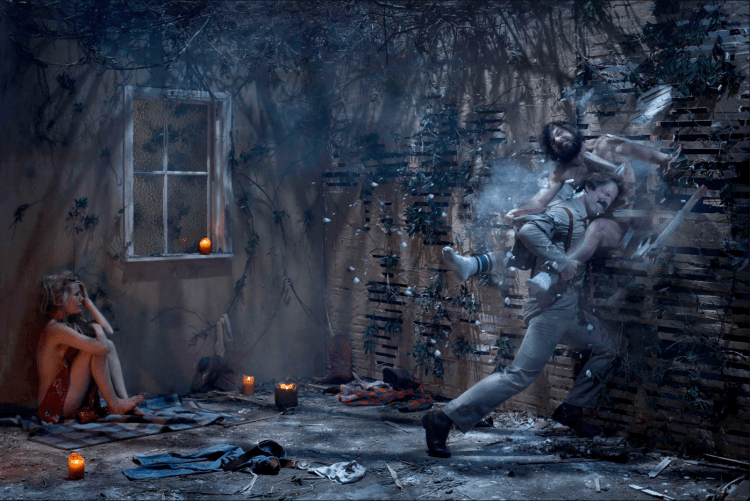
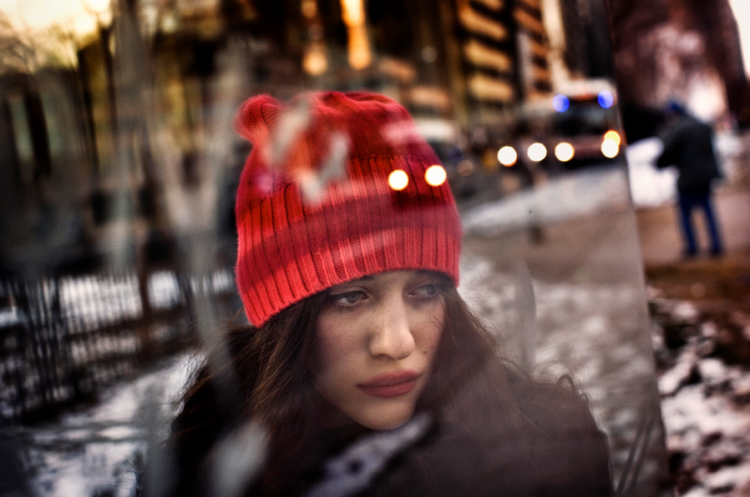
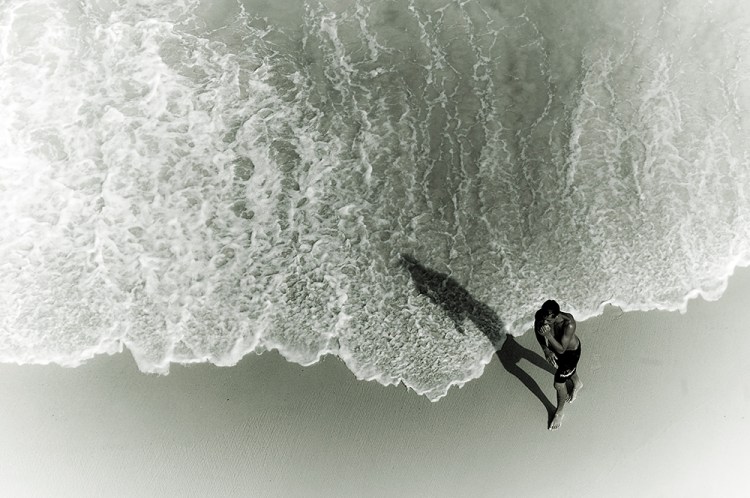
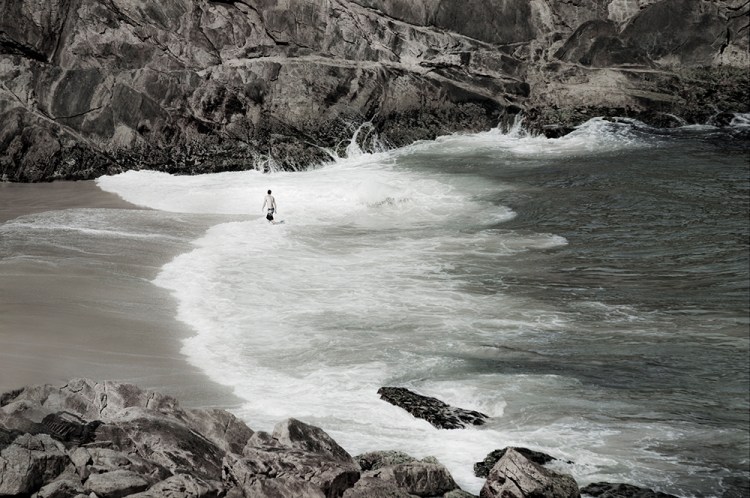
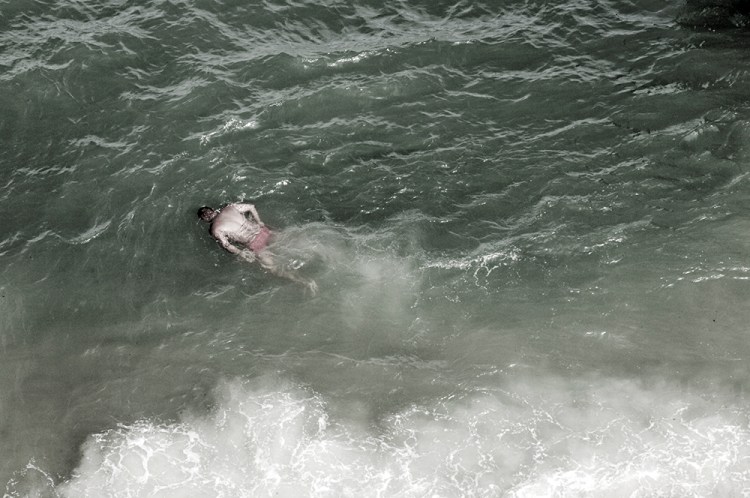
“Travelers” by Walter Martin and Paloma Munoz

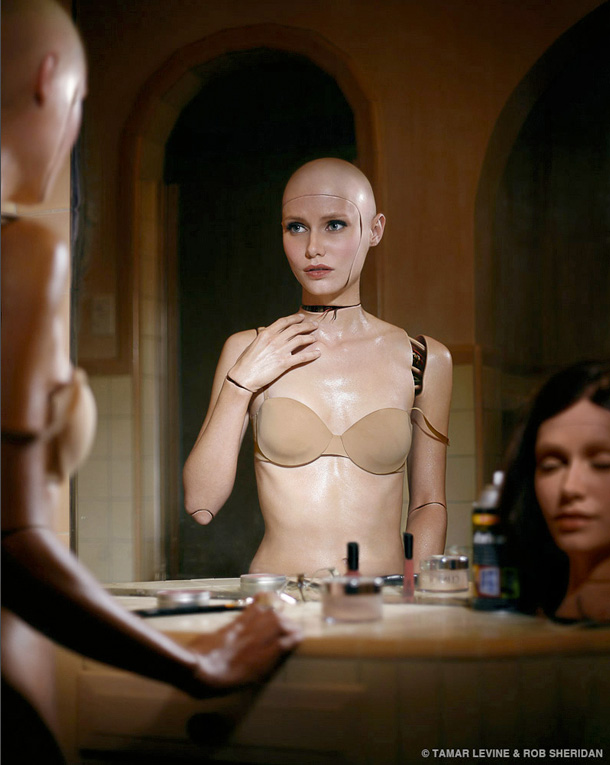
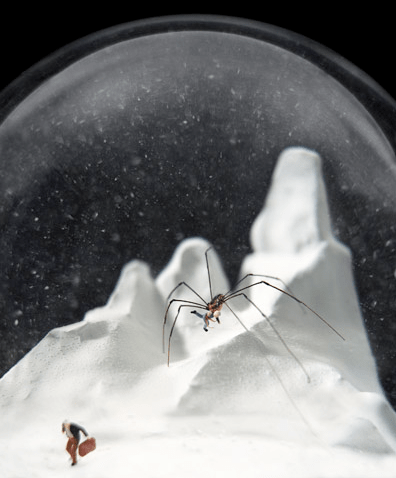
First of all, this project is absolutely amazing. It makes me excited and refuels my faith that there are original ideas out there for the taking! It’s funny, it’s lighthearted, it’s frightening… more than anything it’s complicated in a way that holds my attention for more than a few seconds like most crap on the internet these days. These images make me nostalgic and remind me of Grimm’s fairy tales, where not everything is as it seems. Generally snow globes hold those places which you can’t get to you… your snowy, precious dreams of distant places. In this series Travelers by Walter Martin and Paloma Munoz, these are places you don’t want to go. Because Tim Clark’s writing about the project is just as wonderful, I won’t even try to explain it myself but will defer to his words instead. Thank you to 1000 Words Photography. See quotes below from an article by Tim Clark below and check out the full version here.

Travelers by Walter Matin and Paloma Munoz

Travelers by Walter Matin and Paloma Munoz

“At first glance Martin and Munoz’s snow globes recall the pleasant feeling we have when it snows. At atmosphere in which silence prevails, a time when people are generally in their homes, the animals are resting and even nature itself seems asleep.”

Travelers by Walter Matin and Paloma Munoz


Travelers by Walter Matin and Paloma Munoz

“…small acts of cruelty, violence and even dark humor come forth to captivate our imagination. Trapped in these snow globes are men and women seen alone or at the mercy of others, lost in a bleak, largely nocturnal landscape straight out of the ‘dead’ of winter.”

Travelers by Walter Matin and Paloma Munoz

Travelers by Walter Matin and Paloma Munoz

“…an offbeat pseudo-moralist parable that forgoes the boundaries between horror and humor, and that is set in a whitewashed, winter wilderness wherein people are gripped by the cold storm of life as various atrocities unfold around them.”

Travelers by Walter Matin and Paloma Munoz

Travelers by Walter Matin and Paloma Munoz

Travelers has a rich texture of ideas, references, memories and dreams but ultimately it  is the suspension of disbelief that is key to their reception and meaning – the off experience of an everyday household object revealing itself to us as something more surreal totally stumps our expectations.”

Travelers by Walter Matin and Paloma Munoz

Thank you to 1000 Words Photography.

Q & A Series: The Worst Mistakes

Q & A SERIES: THE WORST MISTAKES PHOTOGRAPHERS MAKE

This month for our Q&A, I’ve asked industry creatives to name the worst mistake a photographer has ever made or could ever make (on a photo shoot? early in their career? in dealing with clients?). I’ve left this purposely open-ended to allow for contributors to take their answers in any way they wish. One thing seems consistent throughout the answers: put your ego aside, listen, and work very very hard. Check out full answers below. If you have any questions or contributions, please feel free to email me (jacqueline@glasshouseassignment.com) or leave a comment on the post! I’d love to hear some feedback on this series and also your opinion… What do YOU think is the worst mistake a photographer can make?

As always, I am so pleased and grateful to all of you who contributed! You are not only making me very happy, but are also helping to build this forum and open up discussion about  our community. Thank you, thank you, thank you!

– Jacqueline Bovaird, Glasshouse Assignment

taraguertin_afarcover11

TARA GUERTIN, PHOTO EDITOR, AFAR MAGAZINE

In general, what comes to mind first and foremost is lack of enthusiasm for the work, and thus not putting 100% into it. Some young photographers can have a sense of entitlement that drives me crazy! The worst mistake a photographer could make on a shoot would be not shooting enough….too many people have too many ideas how things should look, especially on the advertising side!
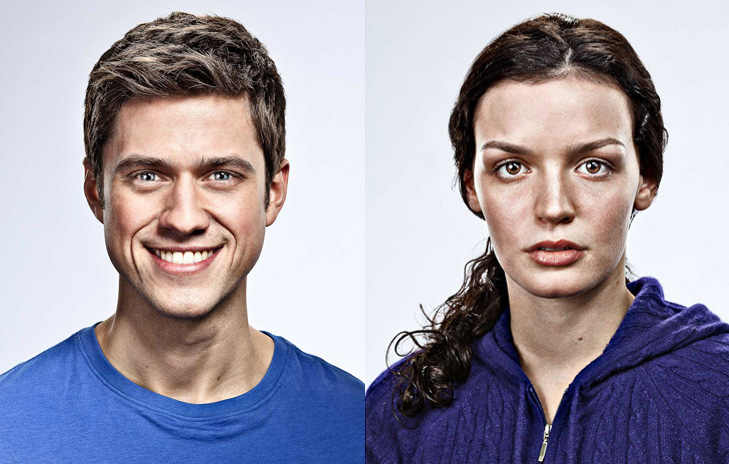
Evan Kafka for Next to Normal

EVAN KAFKA, PHOTOGRAPHER

The biggest mistake is to make a portfolio of pictures you think they want to see.  Show the work that moves you and its power will translate.  Direct your career, don’t let your career direct you, if you can help it.

MARK JENKINSON, PHOTOGRAPHER, BLOGGER, AND EDUCATOR

Mark Jenkinson

Well there are mistakes, faux pas, and disasters. A disaster is when the strobe falls in the swimming pool just as the client is diving in. A faux pas, is farting when the entire crew is sitting down to lunch. A mistake can be anywhere in between those two.  I think the most common mistake I made as a young photographer (and sometimes still do), and that I also see young photographers do all the time is to talk too much, and listen too little.

Photographers are always in the position of selling themselves, of convincing the world that we are the best photographer in the world.  We know it’s not true, but our careers require a certain amount of confidence and salesmanship.  The average person goes on a series of perhaps 10 job interviews once every five or ten years.  Photographers, especially starting out,  literally go on a hundred job interviews a year.  Sometimes it’s tough to turn off the sales pitch.  Young assistants, fresh out of school are the worst, always telling me what they know instead of asking what I need.

One of my best business lessons came a few years ago when I was looking for an architect to build my house.  I called the first four architects and within five minutes they were each telling me about what amazing architects they were, and the great house they were going to build for me.  This before they asked about my family size, my interests, or my budget.

I realized that I was often guilty of this as well, so I now make a conscious effort to be the quietest person at every meeting. If you are in the meeting, then chances are you either have the job, or you are a front runner so this is the time to shut up and focus on the task at hand, not brag about the shoot you did with (name a celebrity) last week. BTW: Before I looked at his portfolio I had pretty much decided to hire the fifth architect, and I love the house he built for me
fands_1

SPENCER JONES, PHOTOGRAPHER
It’s hard to know what is professional and what isn’t sometimes. I  hear stories about photographers with big egos that work all the time and I hear stories about photographers with big egos that clients use once  and say never again. There are many variables that go into a shoot. It’s important to have  confidence in what you do and the client needs to sense this. But at what  point does the photographer cross a line and the shoot becomes more  about them and not a collaboration between the art  director’s vision, the clients needs and the photographer’s creative  talents?

I’m surprised how many times I hear clients and art directors talk  about shoots where the photographer was unprofessional. There was the  time when my wife was the client and waited outside a photographer’s studio 45  minutes before he showed up. There she was with all the crew and models  standing outside freezing. There was another time when the client and art  director showed up at a photographer’s studio, buzzing the door for 20 mins. After they were let in they realized that the photographer lived  there and was asleep. To say the least these photographers were never  used again. Every time an art director awards a job to a photographer,  it’s the art director’s job on the line and photographers need to remember that.
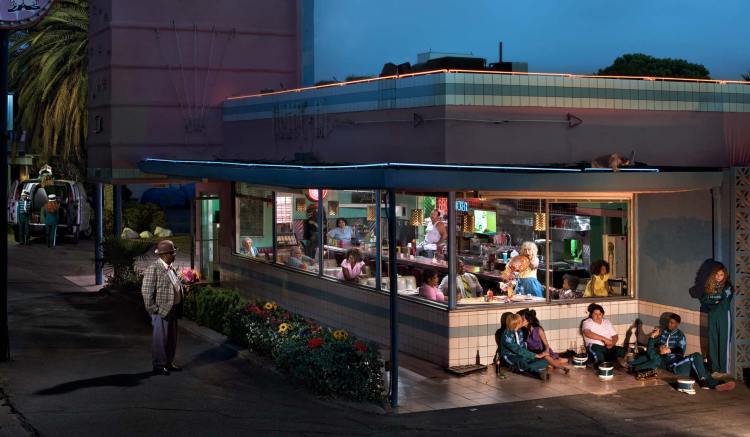
Ryan Schude

RYAN SCHUDE, PHOTOGRAPHER

In general, the biggest mistake a photographer can make is not constantly making new images and not constantly sharing these images with everyone and their mother. Of course you shouldn’t flood people’s inbox with crap on a daily basis just to fulfill this, but keep producing and distributing solid work consistently.

pixpalace_logo

KELLI GRANT, PIXPALACE

I think the worst thing that a photographer can do is to not immediately caption and credit his/her images in IPTC fields. There are too many photographers who have failed to establish a keyword/captioning workflow. Once an image is digitized, it’s always best to attach the proper and thorough, “who”, “what”, “when”, “where”, “how” and of course “by whom” information in the header of the file.  Many photographers have gotten in the bad habit of waiting too long and then the caption information is less rich than if they had captioned the image while the specifics were fresh in their mind.  The captions become very general.  General captions lead to general keywording thus fewer hits on a search, so less sales. There are many applications out there including Photo Mechanic, Bridge, Aperture and Fotostation that are quite easy to use and fast. Photographers must always stay on top of technology especially when with the Orphan Works Act looming.

MILES LADIN, PHOTOGRAPHER

Miles Ladin

The worst mistake a photographer can make while working on a commercial assignment
is to try and please the client while ignoring their own creative impulses.  The client hired you for a reason, otherwise they would have hired someone else or possibly tried to shoot it themselves. If you try and make an exact illustration of the client’s concept there will be nothing left in the shot to call your own. There might be a financial reward in the short term, but you won’t be evolving your own vision for the future. Selling out is truly a dead end.

The worst mistake an emerging photographer can make early in their career is to pass up potential opportunities due to an inflated sense of ego or a clients tight purse strings. Never turn down an assignment or an opportunity unless it offends your personal morals or you feel completely manipulated. As fabulous as you feel you are,  you need to check your ego at the door, especially early on in your career. If a client has no budget but is offering you a really interesting assignment or to photograph something different than you normally shoot, say YES.  It could lead to a new creative direction, an image for your portfolio, possibly even connections that will have a bigger budget.

The worst mistake a photographer can make in general is choosing this creative path by happenstance or a desire to be famous.  The most inspired images come from photographers who feel the medium is a calling, closer to a religion than a career. The famous dictum by Joseph Campbell, “Follow Your Bliss”, should be taken to heart. Why were you originally drawn to photography and why are you making images today? Never forget the particulars of what inspires you about the photographic process. Your joy will lead you to success; creatively & professionally.


Derrick Gomez

DERRICK GOMEZ, PHOTOGRAPHER
“The worst mistake you can commit  as a photographer is to rely on your technique, rather than your taste. Great lighting and camera work are fundamentals, but in relying on them you risk producing repetitive work. You risk being a trend. Good photography requires vision. Read books. Attend concerts. Visit galleries & travel. Develop your taste.”

Craig Ruttle

CRAIG RUTTLE, PHOTOGRAPHER

Although times are challenging now for photographers of all disciplines, one thing in my mind has become ever important, and that’s knowing your strengths and desires. I’m finding this out after being a professional for almost 30 years…. Nothing new here, obviously, but the achievement of this requires some flexibility and ability to keep a tight grip on your finances. Your money. I’m not talking about getting rich, although there certainly are some people in this field who have been incredibly successful. I’m talking about doing the work you know and enjoy the most. I’ve had conversations lately with fellow professionals about what they want out their careers and I’m finding that many are willing to work outside their comfort zone to bolster the work they find personally important.

A good friend of mine is a fine portrait and travel photographer, supported by a rep and good clients. He is doing well, but has built in time to work on some long term, self assigned projects that I believe will eventually pay off for him. What he’s documenting may prove to be an important part of visual history, and to be plain, he’s really good at it. Simple, strong images that will stand the test of time; important work that is paying him with great satisfaction, and I think will eventually be seen as classic documentary work.

Back to the money part: unless you have an endless stream of cash, and I hope you do(!), keep a close eye on your finances, live frugally when you can, and take jobs from time to time you may not want to (within reason, of course). So after you’ve completed the less than perfect assignment, you can hold your head up knowing that at the end of the day, you’ll have worked hard to stay true to yourself, and pay your rent, too. Maybe this is too simple, but I bring up this subject where viewpoints meet at a crossroads; the completion of the assignment. Too far down the road, perhaps… Assignments are not all created equal, and even the same assignment might not be the same in the eyes of different editors, art directors, etc. Sometimes the pointed direction is clear; sometimes it seems like one needs an assignment map!

As a photojournalist (using my example only), there are certain realities that can’t be avoided and must be captured. Outside of this, there are nuances that, for instance, I may feel are important to a specific job. Some editors welcome a broader view, while others might feel being flooded with images is a waste of time; sort of a “get to the point!” attitude. Hopefully, you see what I mean. Whether it photojournalism, editorial, still life or portrait, having a clue of what your (probably new) editor or art director has in mind at his or her publication/newspaper/web site is essential. I’m convinced that once a relationship like this is formed, and one usually knows right away, your point of view can be added as trust is built, which is the reward of a cooperative professional experience.

Thank you everyone who participated!! Keep a look out for next month’s question and email blast!!

If you have any ideas, comments, or if you’d like to participate in our monthly email Q&A, please don’t hesitate to contact me, Jacqueline Bovaird. I am always looking for new voices to add to this evolving discussion.

212 . 462 . 4538  |  jacqueline@glasshouseassignment.com

and the Pulitzer goes to…

The Pulitzers have been announced! Okay.. perhaps I’m the only one who gets very very excited about the Pulitzer prizes for photography. If nothing else, the photos below should get your blood flowing. Check out the full list of winners here.

FEATURE PHOTOGRAPHY: DAMON WINTER, THE NEW YORK TIMES

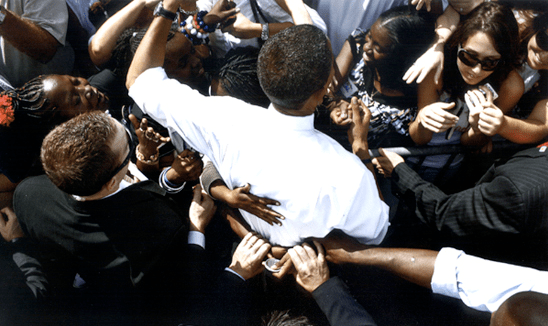
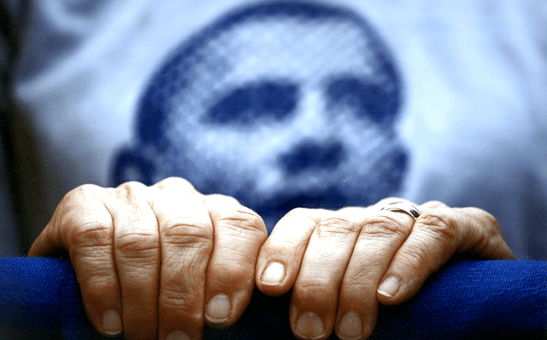
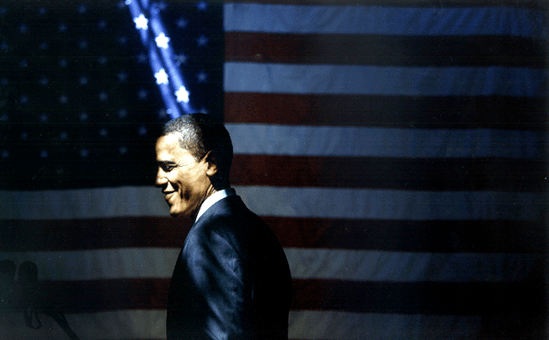
The pulitzer for “feature photography” has been awarded to Damon Winter for his epic portrayal of the Obama campaign for the New York Times. Check out some selects below or more here.

Damon Winter, New York Times

Damon Winter, New York Times

Damon Winter, New York Times

Damon Winter, New York Times

Damon Winter, New York Times

Damon Winter, New York Times

Damon Winter, New York Times

Damon Winter, New York Times

Damon Winter, New York Times

BREAKING NEWS PHOTOGRAPHY: PATRICK FARRELL, THE MIAMI HERALD

The Pulitzer for “breaking news photography” has been awarded to Patrick Farrell for his coverage of the turmoil after hurricane Ike in Haiti, on assignment for The Miami Herald. Check out some selects below or more here.

“In 2008, the Herald repeatedly sent Farrell to Haiti, which bore the brunt of the year’s Atlantic Hurricane Season. He was there the night Hurricane Ike – the fourth storm to hit Haiti in a month – reflooded the overwhelmed country, swallowing homes and lives. In all, more than 800 Haitians died and more than 1 million were left homeless by the unrelenting series of storms.”

Patrick Farrell, The Miami Herald

Patrick Farrell, The Miami Herald

Patrick Farrell, The Miami Herald

Patrick Farrell, The Miami Herald

Patrick Farrell, The Miami Herald

Patrick Farrell, The Miami Herald

Patrick Farrell, The Miami Herald

Mark Your Calendars…BAM Silent Auction

Aron Namenwirth
Aron Namenwirth

Almost everything BAM (Brooklyn Academy of Music) touches turns to gold. If you live in Brooklyn and haven’t discovered this resource yet, I highly recommend heading over there as fast as your feet/bike/subway can take you and checking out a foreign film/performance/exhibition. The reception for their annual silent auction sounds like a very good time… see you there!

BAMart Silent Auction: April 29 – May 11

“This spring, BAM will hold the Fifth Annual BAMart Silent Auction. This thirteen-day event will feature works by over 150 visual artists and designers working in a variety of media and at all prices. The works will be exhibited at BAM, and all bidding is done online. Initiated in 2005, the auction has had the participation of a wide range of both emerging and established artists and is a terrific way to support BAM.” – BAMart

BAMart Cocktail Party: May 9, 5 – 7 pm

“Join special guests Andrew Andrew for a cocktail reception celebrating the Fifth Annual BAMart Silent Auction, a thirteen-day event featuring works by over 150 visual artists and designers working in a variety of media and at all prices.”

Kehinde Wiley
Kehinde Wiley
Rachel Papo
Rachel Papo

Recommended festivities…

This weekend holds more than just 70 degree weather and a chance to spend time away from your office…Here are two events I highly recommend. In fact, there is a good chance I’ll be at both of them if the rest of my life permits.

TONIGHT

america-invite

FRIDAY

jewelstreetinvite1-1

Happy Wednesday from me to you

Okay… It’s a rainy and unseasonably cold Wednesday in New York. Perhaps it is the weather, but my brain is refusing any inspiration I throw at it today. What to do… what to do..

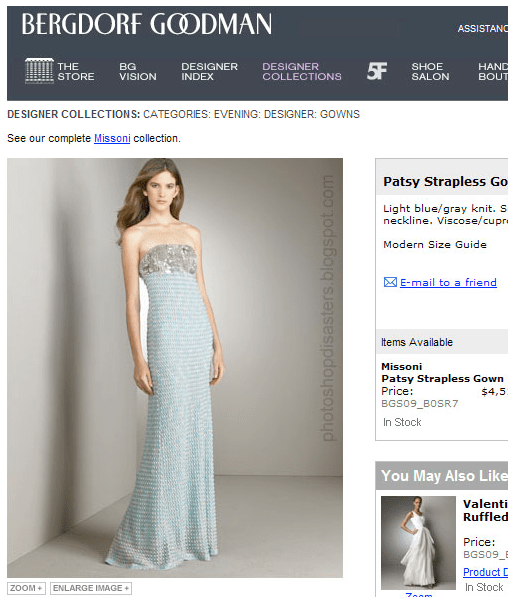
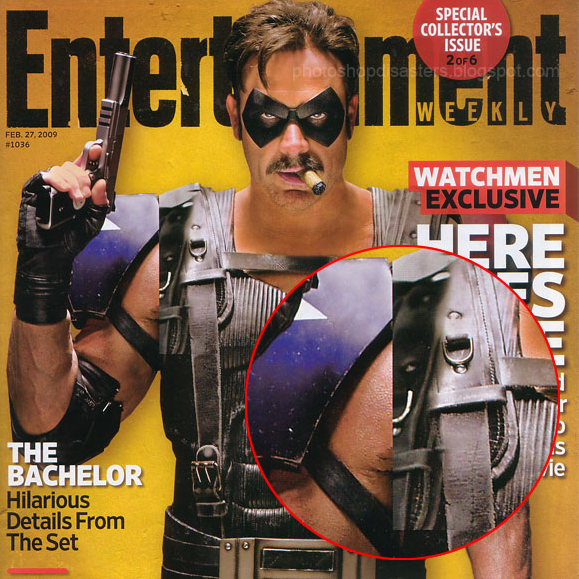
In order to brighten your Wednesday and mine, I bring you an ol’ faithful pick-me-up: Photoshop Disasters!

Beyonce, Photoshop Disasters blog
"I know that we are all weary of the lifelong existential struggle between wanting to show more of Beyonce's cleavage and wanting to avoid an utterly humiliating disaster on your front cover, but it's refreshing and illuminating to see it brought to light in such disastrous fashion."

"This is obviously not a disaster because she is probably standing in front of a thin polar bear that is jumping in the air. Or possibly she is holding a very flat white shovel or small spade against her back."
"So apparently Spinal Tap was some rock group in the 1970s (I think they were the ones who did Staircase To Heaven.) If they were hoping to appear on Photoshop Disasters then congratulations are in order."

"The Comedian. Secret power: immune to clipping paths."

Photoshop Disasters

Since when is fake news news?

Los Angeles Times journalists are outraged that an advertisement pretending to be a column appeared on the front page of its April 9th, 2009 issue. While space is often sold on the front page for advertising, it is not usually making an effort to be sneaky. Journalists for the paper Times are calling this “embarrassing and demoralizing” in a petition. See the full text below.

LA Times

“We the journalists of the newsroom strenuously object to the decision to sell an ad, in the form of a phony news story, on the front page of the Los Angeles Times.

The NBC ad may have provided some quick cash, but it has caused incalculable damage to this institution. This action violates a 128-year pact with our readers that the front page is reserved for the most meaningful stories of the day. Placing a fake news article on A-1 makes a mockery of our integrity and our journalistic standards.

The Los Angeles Times stands apart from other sources of news and information in Southern California because of our willingness to report the truth, even when it angers powerful interests or puts us in peril.  Our willingness to sell our most precious real estate to an advertiser is embarrassing and demoralizing.”

What do you think about this? This isn’t surprising to me at all. I completely understand why the columnists are angry, but don’t think anyone would read this and actually think it was an unbiased article. I’m glad the discussion is being raised but am wondering why it took so long. I hope any anger the placement of this ad stirs up serves to make people think about the motives behind all articles, even those written by employed journalists.

Read more here.

Jake Stangel throws visual snow balls.

Let me tell you a little story…

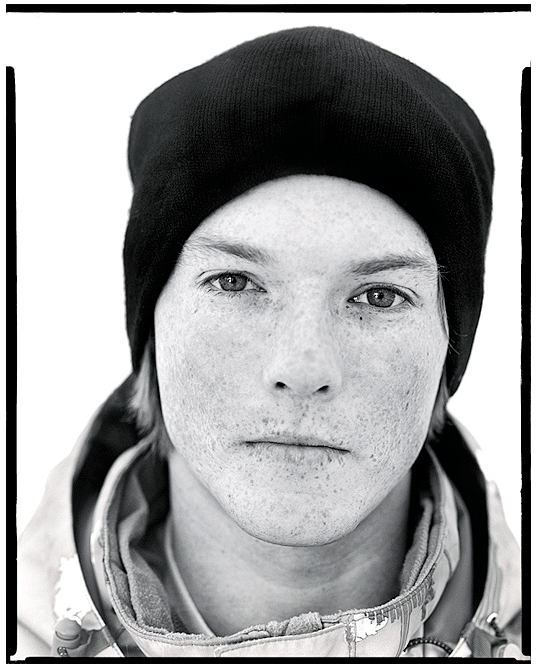
Once upon a time I knew a great guy named Jake Stangel. We studied photography in New York City together and spent endless hours and bottles of wine discussing the “burden of representation” and all other ultra photo-scholastic subjects rarely brought on without the influence of homework. When we graduated, Jake knew he wasn’t happy in the big city and moved to where he could breathe clean air and throw lots of snow balls. To my surprise, Jake and I recently reconnected and I couldn’t be more excited about the work he’s doing. I bring this story and his work to all of you not only because I am simply in love with his latest portraits, but also because I feel there is a misconception that to be a photographer, you have to live in New York or LA. On the contrary, NOT being in New York has fueled Jake as a person and certainly, in turn, as an image maker.

While he is still a young photographer, I feel these photos speak from a surprisingly seasoned and a visually truthful voice. While there is of course the cliche that you should love your job and, as a photographer, be invested in your subjects, it is rare to see both come through so convincingly. Bravo to my dear friend Jake and I can’t wait to see your next project! Jake is also the founder of Too Much Chocolate, a forum and community building website for photographers…. so check it out!

I’ve included Jake’s words about the project below as well as my favorite layouts and portraits. Enjoy! See links below.

– Jacqueline Bovaird, Assignment Rep, Glasshouse Assignment

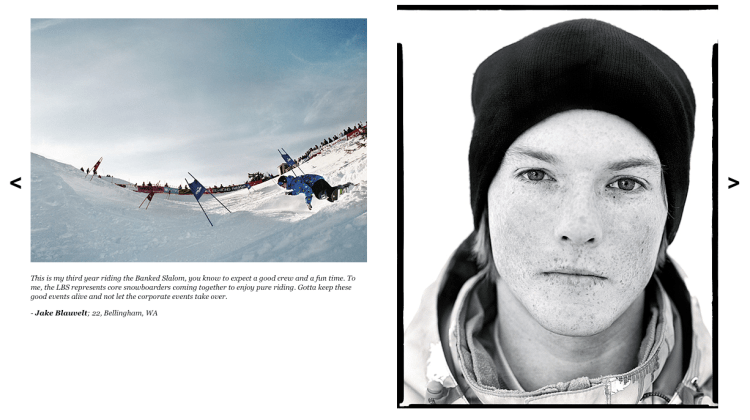
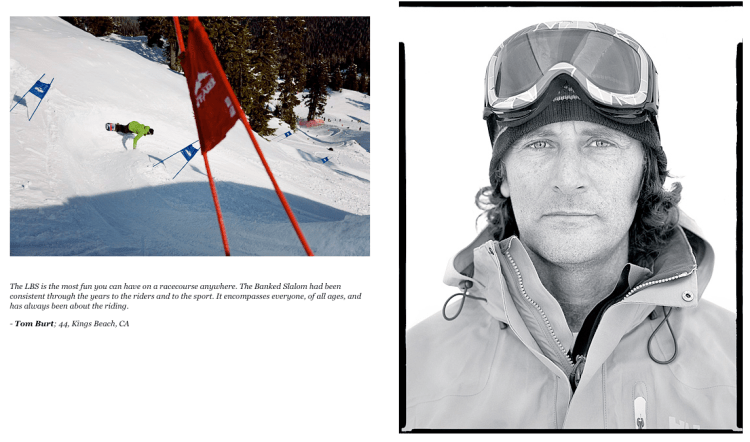
Legendary Banked Slolom

Jake Stangel, LBS

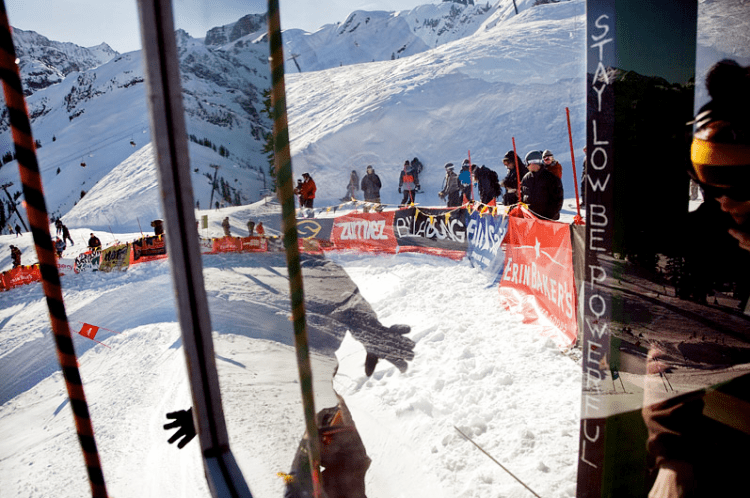
The Legendary Banked Slalom is a snowboard event that operates just as it sounds: riders race down a slalom course flanked by banked walls on either side, harking back to the days of skateboarders carving down bone-dry drainage ditches in the 80’s. Held at Mt. Baker, one of the Pacific Northwest’s most rugged and illustrious resorts, the slalom is now in its 24th year, almost concurrent with the birth of the sport itself.”

Jake Stangel, LBS

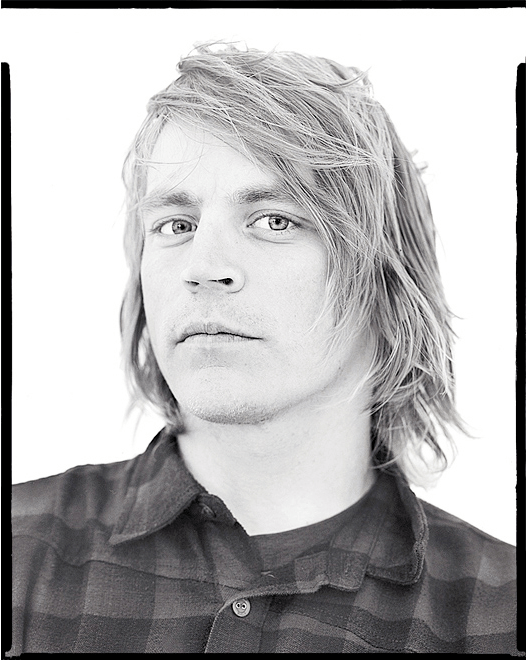
Jake Stangel, LBS“Over the years, the LBS has earned a status as one of the most famous and storied snowboard events in the world. Much of the Banked Slalom’s legacy comes from the legendary riders- past, present, and future- who return to the event time and time again with a Christmas-like consistency, as well as countless Baker locals who contribute the real flavor of the Pacific Northwest snowboard scene. These people are the personalities that give the Banked Slalom the energy, legacy, and integrity it has come to represent in snowboarding.

Jake Stangel, LBS

Jake Stangel, LBS

Jake Stangel, LBS

“Despite snowboarding’s recent explosion in mass popularity, and as corporations from Target to Playstation attempt to latch onto the sport with dubious intent, the Banked Slalom remains true to itself and the riders. It’s as accessible, original, lo-fi, and unabashed as snowboarding gets; the three-day event is akin to seeing a rock concert at a house party.

Jake Stangel, LBS

Jake Stangel, LBS

Jake Stangel, LBS

Jake Stangel, LBS

“Given this back story, it was only fitting to profile some of the riders at the event this year: the sport’s forefathers, current rippers, and newjacks- the roots and the future of the snowboarding- and find out what the event means to them personally as well as how it represents the sport.”

Jake Stangel, LBS

Thanks Jake!

Jake Stangel’s SiteToo Much Chocolate

For portfolio requests or questions about Jake’s work, email him at jake@jakestangel.com. You may also leave comments for him or about his work here.

Miha Matei in BizBash

Check out our very own Miha Matei in BizBash!!

(Of course, we recommend page 17 in the March 2009 issue)

Miha Matei BizBash Burger Shoppe

Way to go Miha!

Click here to see her full portfolio.

Contact assignment rep Jacqueline Bovaird with questions or portfolio requests.

212 – 462 – 4538  |  jacqueline@glasshouseassignment.com

http://www.glasshouseassignment.com

“Surviving as an Artist…”…Great Essay From Amy Wilson

While I try very hard not the be the “copy and paste” blogger… this essay is too good and too important not to share. Click here for full essay or see my favorite excepts below.

from Advice on Surviving as an Artist in this Economy by Amy Wilson for ArtBistro.

“I had grad school laid out in front of me, but I saw it as not much more than the two-year diversion it really was, so I eagerly asked all the teachers that I liked and respected what they thought I should do as I tried to make my way as an artist.

Among the things I was told (and remember, this is 1995):

1. Get a studio in Manhattan – you have to get a studio in Manhattan. No one will ever visit you outside of Manhattan. If you move to Brooklyn or Queens or, god help you, Jersey, you may as well toss all your work in the Hudson.

2. Apply for a grant – there’s plenty of federal/city money out there, just waiting to be taken by ambitious young artists.

3. Get a cute, fluffy dog and walk it around the Wall Street area so that you meet rich men who you can date and who will help support your career. (I absolutely swear to you that I am not making this up or exaggerating. This “advice” was told to me by several different faculty members and went through different variations, including walking the dog through the campus at Yale, in Soho, and on the Upper East Side.)

Right. My point in listing these (and there was plenty more that I got) is that absolutely none of this advice is good; in fact, while it’s all patently absurd now, it wasn’t really any less absurd back in 1995.

Artists don’t have to have studios in Manhattan, there are no grants to be had especially for younger artists, and I have never had a rich boyfriend (or for that matter, a stupid fluffy dog). And yet somehow I’m still here.”

“But for the last few months as I’ve woken up every morning to find that this economy crisis we’re in just keeps getting worse and worse, I’ve been able to feel that generation gap growing between me and my students. It’s becoming clear that the experiences that I’ve had and things that I’ve learned may not be as relevant to them as I had hoped. I can’t tell you how much this disappoints me.

At first, when I felt the terrain shifting underneath my feet, I just sort of ignored it or was sort of numb to it all. But then, as I read things like Holland Cotter’s NY Times article a few weeks ago or Jerry Saltz’s various Facebook updates, it dawned on me that wow, there are actually people out there more clueless than I am.”

“1. Admit that things are bad – really, really bad. The only way we’re going to ever overcome what the hell is going on is if we take a moment and really acknowledge what’s happening. You can’t really understand the problem if you keep telling yourself that it’s over or it’s not as bad as absolutely everyone around you is assuring you it is.

2. Stop saying that the recession is going to “clear away” the less serious artists/galleries/etc. This concept of “clearing away” makes me sick – it’s a euphemism, and it’s like expecting people you don’t like to just exit stage left and disappear forever. Human beings don’t do that. They declare bankruptcy, they lose their jobs, their lives get messed up – it’s not pretty. So don’t pretend that it is.

3. Know that you are not in control. We have no idea what is going to happen in the next few years. Really. I feel pretty confident in saying that the art world is going to look quite different in about five years than it does right now; beyond that, I can’t tell you much. And I also can’t speed it up or see it more clearly if I squint any further.”

You can learn from the past (and the present), but not like it’s a blueprint or a map – it’s more like a big puzzle that needs to be sorted out and embedded in it is a clue that sort of points you to where you’re going… maybe.”

— | —

What do you think? Does this give you hope? Does it provide some sort of motivation for you?

Q&A Series: Photo-blogging

BACK BY POPULAR DEMAND: Q & A SERIES

This Month’s Discussion:

Photographers Photo-Blogging? Useless or useful?

Photographers are no longer only a collection of their images. They can now benefit by showing their clients a fuller definition of themselves. The blog format can be a modern scrap book where even a photographer’s tests can become something a client can respond to. As a rep, I look for photographers who think critically about our industry and can respond to it’s ebb and flow. Because not every shot taken goes into a portfolio, I look to see that a photographer is not only testing but also tackling the inevitable roadblocks on shoots, while maintaining a sense of humor about it all. I want to see the work evolve, even if that means making some mistakes along the way. While I certainly don’t think a blog is a requirement for established photographers, it certainly has the power to build a community and be a marketing tool for those looking to voice their opinion. On the other side of the argument, if a photographer presents bad work or clearly does not have a voice, it certainly colors my view of their photography and their position as a creative professional. The mistake sometimes made is that a blog can be your only marketing tool. In my opinion, blogs should never presume to take the place of a solid website and a clear, concise portfolio.

On that note, I thought we’d open up this discussion for this month’s Q&A series. I contacted the authors of my favorite blogs and asked their thoughts on the role of blogs and their relationship to the creative process. Below, you’ll see their answers, images, and links, as well as my list of a few extra blogs you should make sure to check out. Thank you so much to everyone who participated and contributed to the discussion!

– Jacqueline Bovaird, Assignment Representative,

Glasshouse Assignment

Spencer Jones

SPENCER JONES, PHOTOGRAPHER

The reset button has been hit. The world as we know it will change in many ways. I think blogs will play an important part in this transformation, not only in the world economy, but in the creative process and in the way we see and use photography. How will designers adjust their approach to marketing, how will advertising campaigns solicit consumers, how will consumer magazines and newspapers keep their readers, and how will the printed paper compete with  online sources? The list goes on. Where do you get your information from? Where do you  get your inspiration from?

For me the two blogs that I look to are Design Mind and Stone Thrower. Design Mind takes an intellectual approach to the creative process. As  the blog for frog design they are “fanatical about improving the world” I believe they are and will continue to be a leader in the  evolution of how we create for a consumer driven world. As for Stone Thrower I love their content. It’s both a blog and a  magazine. They encourage people from our industry to get involved. Even though it’s a young forum I feel that it’s a great source to follow.

As image makers, we all have to try and figure out ways to stay current and compete. Keeping up with blogs and being informed about the evolution of the field is the only way I see to survive this transformation. How will you survive?

Emily Shur

EMILY SHUR. PHOTOGRAPHER AND BLOGGER

I think the effect of a photographer’s blog is whatever the photographer puts into it.  Some blogs are self promotional.  Some blogs are more of a diary, a personal account of shoots and travels.  Some are used as an outlet for thoughts on photography.  It seems to me that if the underlying approach is genuine, the blog will be successful. By successful, I mean that the photographer’s points will come across as honest and thoughtful.  I regularly read about 10 different blogs.  What draws me to reading these specific ones is a common thread of the author’s voice being sincere and compelling.

I started blogging in a state of downtime, after discovering the vast world that is the photo blogosphere.  I thought that blogging would keep me thinking about photography in a time when I wasn’t necessarily taking a lot of pictures. I was really enjoying reading other people’s thoughts about photography and wanted to chime in with my two cents.  I don’t think it’s a requirement for photographers to have a blog.  However, I do think it gives readers and potential clients an insight into the photographer’s personality they might not otherwise get.

Evan Kafka

EVAN KAFKA, PHOTOGRAPHER

I don’t have a blog.  I have often thought that it would be a nice outlet for my personal work, but I have yet to find the time. I  know that if you create a blog that attracts a following, it can be an incredible marketing tool. The blogs I do tend to follow are mostly equipment related or technical. For the most part, I find photographer’s blogs to be too self absorbed and aggrandizing. I suppose that they should be, but I don’t find them very interesting to read. Some of the other industry blogs seem self righteous and arrogant to me.  I can’t really get interested in most of them.

Simon Biswas

SIMON BISWAS, PHOTOGRAPHER AND BLOGGER

A photographer’s blog is a way to build community.  I find that one links to another that links to another… and it’s how I find out what’s really going on in the industry. My own blog is a place for me to reflect and to give praise to my peers.  I like being able to share ideas in a forum and see what other people are thinking. Magazines like PDN are great but they are monthly and don’t always have everything I want.  I find that blogs really have content that I am looking for and that I find relevant as a photographer and they are constantly being updated. I read about 3-5 blogs a day/everyday…and by read I really mean skim.

I think a blog provides insight into the photographer in a more well rounded way.  Photographs are only one part of a photographer. A blog allows a person to show what interests and inspires.  Blogs definitely help build a community.  They become a place to share thoughts, ideas, concerns…whatever.  They allow me to see more deeply into the industry around me.  You have the ability to see what people are doing, where they are going, who they are looking at.  Blogs allow people to speak their minds and many times I find I share the same thoughts or opinions.  I think it is not a requirement to have a blog but definitely an asset as a photographer.  If the blog is bad no one will read it so I don’t think that matters.  If its good it will get read.  I have no idea if anyone reads mine or if its good or not, but I enjoy the process of posting things. I am definitely more interested as a result of blogging.  I am constantly searching out material for my blog and as a result I become more engaged in the world of photography.

Ryan Schude

RYAN SCHUDE, PHOTOGRAPHER, CONTRIBUTOR TO: THIS IS A PHOTO BLOG

The blog is a good place to show recent work that you wouldn’t otherwise include in your portfolio. It is not essential, but does seem to provide a bit of community. Locally, I subscribe to wecanshoottoo.blogspot.com to keep up with current shows and nationally i belong to thisisaphotoblog.com for a monthly, assignment-based photo collective that keeps me in touch with photographers around the country I might otherwise not have known.

Finn O'Hara

FINN O’HARA, PHOTOGRAPHER AND BLOGGER

Essentially, I think the root of a good photographer’s blog should provide a broader, authentic depiction of their photographic and personal world. It’s a great way to communicate their character, and the photographic professionalism behind their images. For many photo editors and art directors, the ability for them to ascertain your photography background, may help them determine weather you’re appropriate for a specific job. Basically, I think a good photographer’s blog should provide a little background on who your are, and what you shoot, in a proficiently edited format.

I use NewsFire, a feed reader, and subscribe to about 20 industry related blogs. So in a day, I read about 15 blog posts. I try to not be a lurker, just reading and not commenting, so I comment on at least two or three posts that I connect with. I think Rob’s A Photo Editor, is a must read. Rob has been in the business for many more years than I, and he has a great writing voice. He cuts through a lot of BS, and is a bit of a photo industry visionary.

I think the blogs add to the photo community, as the job can be a very solo existence. Photo blogs seem to help bring like minded people that much closer. Kinda like those terrible “Hello, my name is…” stickers at corporate meet and greets. I think if you haven’t thought it through as part of your self-promotion, you’re doing yourself a disservice. Placing an ad in Communication Arts, and updating your website a few times a year isn’t good enough. Some writing skill, consistency, and a good layout can go a long way. An out of date, stale blog, with no real writing doesn’t really service the photographer. Remember, everyone likes fresh bread.

Glasshouse Images Stock

ROBBI SIEGEL, GLASSHOUSE IMAGES
I read an average of 3-4 blog a week but those are mainly blogs related to the photo industry, not necessarily a particular photographer’s blog. I would say that if I’m interested in a photographer’s work then I’d be much more inclined to check out their blog. It just gives me a little more insight into the work and the person. But it’s not something I would return to regularly, it would just be that one time while I’m reviewing their site. They often have more work on the blog or other areas of interest that I wouldn’t have known about otherwise. If I don’t like their work, I definitely don’t waste my time on their blog.

TAMAR LEVINE, PHOTOGRAPHER, BLOGGER, AND FOUNDER OF THIS IS A PHOTO BLOG

Tamar Levine

My blog allows me to show off a bit of my personality. I think with so many photographers out there, it is important to distinguish myself not only by my work, but how I work, and why I make certain choices. I can describe shoots and jobs while showcasing my photos. I can talk about an article that featured me or a project I am working on.  It also allows me to showcase work I wouldn’t necessarily put on my website, but am proud of for different reasons. Hopefully this will keep people interested and give someone someplace to go if I haven’t updated my site in awhile.

I think certain blogs can definitely help build a photo community. My personal blog has links to my friend’s blogs, as well as other blogs I use as inspiration. Another blog I started is a collective of photographers with the sole purpose of building a photo community. We give each other assignments to stay creative and inspired, and then give each other comments and feedback.  Photography is a very competitive business. It is important to get support! I definitely do not think it is a requirement for a photographer, but I do think there are advantages. When I have the time I love reading peoples’ blogs and in most cases it makes me more interested. But I also think you have to be selective with the work you showcase because it could definitely hurt to have work that is mediocre online, even if it isn’t in your permanent portfolio.


OTHER FAVORITES:

A Photo EditorA Photography BlogAfter PhotographyThe SelbyConscientiousVincent LaforetAmy SteinThoughts of a Bohemian

_

Thank you everyone who participated!! Keep a look out for next month’s question and email blast!!

If you have any ideas, comments, or if you’d like to participate in our monthly email Q&A, please don’t hesitate to contact me, Jacqueline Bovaird. I am always looking for new voices to add to this discussion.

212 . 462 . 4538  |  jacqueline@glasshouseassignment.com

Kafka illustrates “Next to Normal”

FINALLY! Below are samples of Evan Kafka’s promotion photographs for the new Broadway show, Next to Normal. Okay…I admit it. I’ve had these up my sleeve for quite some time now. Please keep your anger to yourself and understand that I was waiting until Next to Normal was closer to being up and running before showing you these! Suspense is a good thing!

I had the pleasure to be on set for this shoot and meeting the cast and creatives. Not only was a few moments away from the computer screen a very welcome change, but it was so wonderful to meet all the stars of the show and see them work with Evan. Everyone on the shoot was so sweet and great to work with. Their enthusiasm and excitement for the project was absolutely incredible, and definitely has gotten me counting the days until I can see them in action. For your viewing pleasure…  here are Evan’s favorites from the shoot and a shot of the phootgraphy on the theater doors. Links below to the official Next to Normal website and opening dates.

Go see the show! AND tell everyone you know how fabulous the photography is….

Evan Kafka in front of Next to Normal doors

Evan poses in front of the doors of the Booth Theater, NY

Bobby Spencer, Next to Normal

Bobby Spencer, Next to Normal

Alice Ripley, Next to Normal

Alice Ripley, Next to Normal

Arron Tveit, Next to Normal

Arron Tveit, Next to Normal

Jennifer Damiano, Next to Normal

Jennifer Damiano, Next to Normal

Adam Chanler-Berat, Next to Normal

Louis Hobson, Next to Normal

NEXT TO NORMAL

Previews begin March 27, Opening Night April 15

Booth Theatre

222 West 45th Street, New York, NY

Official Website Here

Check out NEW UPDATES to Evan’s main portfolio and corporate portfolio.

If you have any questions about Evan’s work, please feel free to contact his rep, Jacqueline Bovaird.

jacqueline@glasshouseassignment.com  |  212 . 462 . 4538

www.glasshouseassignment.com

Evan Kafka in April’s Smart Money

Check out a peek at Evan Kafka’s new work in Smart Money’s April issue. What do you think? I, of course, love it.

Evan Kafka, Smart Money, April 2009

Evan Kafka, Smart Money, April 2009– –

Check out Evan’s main portfolio and corporate portfolio.

If you have any questions about Evan’s work, please feel free to contact his rep, Jacqueline Bovaird.

jacqueline@glasshouseassignment.com  |  212 . 462 . 4538

www.glasshouseassignment.com

New Miha Matei Portfolio!

Check out Miha Matei’s new portfolio by clicking HERE!

Miha Matei

Miha Matei

Miha Matei

Miha Matei

Like Miha’s work? Feel free to contact me, Jacqueline Bovaird, any time with questions or portfolio requests.

212 – 462 – 4538  |  jacqueline@glasshouseassignment.com

http://www.glasshouseassignment.com

Chris Berntsen gets away from his element.

I’ve always been of the opinion that sometimes you need to get out of your own way to take better photographs. In my own opinion, this is a big problem when you graduate from a photography program. It is possible that the process of analyzing images and putting them into a carefully critiqued historical context makes you think too much. You’ll lose your instincts if you let all that study sneak into the hesitation in the moments before you snap a shutter. Recently, Chris Berntsen, a colleague of mine, returned from a trip to Europe with the goal of pure photographic exploration, something that proved immensely valuable to his work, as you’ll see below. I’ve always found his work to be wonderfully honest. His images feel honest, but perhaps that is already thinking a little too much. Thanks Chris and I can’t wait to see more!

– Jacqueline Bovaird, Assignment Rep, Glasshouse Assignment

Chris Berntsen

Chris Berntsen

“The purpose of going on this trip was that I  had just graduated college and had decided to end running a skateboard company I was running since I was sixteen years old.  I decided that I would rather devote myself to living life as an artist not as a businessman.”

Chris Berntsen

Chris Berntsen

“It was my two months to escape my normal self and gain some perspective. Photographing there was harder in some respects because my work usually brings me into close long-term contact with the people I photograph who learn to exist with my camera, but this was street photography for the most part.”

Chris Berntsen

“It was a therapy of sorts to develop new ways of seeing.  I spent hours everyday walking around being a wanderer with a camera and shot what inspired me impulsively and tried to ignore the insecurities that prevent many great photographs from being taken.  I don’t thing that these photographs are from an inside or outside perspective because my interest was very self-centered, I was more interested in things like death, age, the passing of time, not at all with who specifically I was shooting. ”

Chris Bernsten

Chris Bernsten

“My time in Europe allowed me the time and space away from the standard dialogues concerning photography that dominated my college experience.  The ‘burden of representation’, the belief that photographers should seek out truth and maintain a humanistic respect for a subject is fascinating I largely agree with it, yet I feel that it does not need to come into play unless the photographer claims its relevance.”

Chris Bernsten

Chris Berntsen

“Rather, the camera can point in several directions and this journey for me was one of introspection.” – Chris Berntsen

Chris Berntsen

Thanks Chris!

Want to know more about Chris’ work? Email him at cwb217@nyu.edu.

In Paris this week? Don’t miss this!

Are you an avid Ryan Schude fan like all of us here? If you’ll be in Paris this week and for the rest of the month, here is an opportunity meet him and to see the work in person! The show will open up this Thursday, March 12th at 64bis Gallery!

Get more info here: 64bis Gallery, Ryan Schude’s site

paris-invitation

See Ryan’s complete portfolio here!

For portfolio requests, contact Ryan’s rep, Jacqueline Bovaird.

212 – 462 – 4538  |  jacqueline@glasshouseassignment.com

Miha Matei in New Orleans

Recently, one of our Glasshouse Assignment photographers, Miha Matei, traveled to New Orleans. Inspired by southern hospitality and culture, she connected with Nadine Blake to photograph her shop and products. Miha was nice enough to explain to me a little about her trip… Enjoy! Thanks for sharing Miha!

Miha Matei in NOLA

“I had never been to New Orleans before, OR anywhere in the south, so I was very excited to explore the area.  I brought my camera, but I wanted to see the historic French Quarter without it, to really get a feel for it, so I left the camera back at the hotel. I came upon Nadine Blake’s home decorating shop unexpectedly, but instantly fell in love with it. The store didn’t say New Orleans one bit, but the second I walked in the southern friendliness and hospitality was clear. Nadine Blake was in the shop that day and she welcomed me like we were long time friends.”

Miha Matei in NOLA

Miha Matei in NOLA

“The world influences in the store were immediately obvious. It was as if Nadine had taken her favorite bits and discoveries from her travels and brought them together into her shop, and she had really great taste! All of a sudden, I wasn’t just in New Orleans. I was in exploring many parts of the world at once. I instantly wished I had brought my camera! I wanted to remember that little corner of the world forever. I must have seemed like a little kid in a candy shop, because Nadine agreed to let me come back the next day to take photos.”

Miha Matei in NOLA

Miha Matei in NOLA
“That’s why I love travel photography. If you really pay attention to the details of a place, it has the power to inspire beyond a local level. So, while I didn’t leave that day with photos that scream New Orleans, I couldn’t have found Nadine’s store anywhere else in the world. To me, having a connection with a place sometimes means that you have to look beyond the obvious and find the things that inspire you. And if my photos reflect that, then I have done my job well.”

Miha Matei in NOLA

No matter what she shoots, Miha has such an incredible style and charm to her imagery. Aren’t we lucky to have her on board? I think so!

See Miha’s full portfolio here. If you have any questions about Miha’s work, feel free to contact me, Jacqueline Bovaird.

212 – 462 – 4538  |  jacqueline@glasshouseassignment.com
Arrive goes digital, Evan Kafka cover!

Arrive, Amtrak’s equivalent to an in flight magazine, has presented a digital format nice and friendly for online viewing. Also check out the latest cover… nice job Evan Kafka!

Evan Kafka on Arrive cover

Evan Kafka - Bloomberg

If you’d like to know more about Evan’s work, contact his rep, Jacqueline Bovaird.

212 – 462 – 4538  |  jacqueline@glasshouseassignment.com

Sara Wight and “Beyond the Horizon”

Recently, I came across the photography of Sara Wight. I instantly became a fan of her series Beyond the Horizon. Sara was nice enough to provide some info about her and this project. Ladies and gents…for your viewing and reading pleasure… I present Sara Wight’s Beyond the Horizon! See below links to Sara’s commercial and fine art site, as well as her bio and artist statement.

Sara Wight

“…I began to travel, hoping that  my camera could provide a means to understanding and then moving beyond my despair. Beyond the Horizon emerged during this period and has grown into a body of work that I will continue to build for the rest of my life.”

Sara Wight

“The photographs in this series reveal the relationship between humanity and nature to be delicate and interdependent.”

Sara Wight

“Inevitably, there are human-made elements: buildings, wires, fences, roads.  All of these, made from natural materials and temporarily suspended in their current form, are destined to return to the earth.”

Sara Wight

A little about Sara…

Sara Wight is an award-winning photographer who holds a BFA in Fine Arts from Kutztown University and an MFA in Photography, Video and Related Media from the School of Visual Arts in New York City.  For more than a decade, her fine art photography has been exhibited widely in solo and group exhibitions throughout the United States and is held in many private collections.  She also shoots commercially, teaches photography and has worked as an art director with some of the top photographers in the world. Most recently, Sara was awarded a residency at the Vermont Studio Center, a residency program hosting 50 visual artists and writers from around the world.

A little about Beyond the Horizon…

On May 14, 2003, my father held my stepmother’s hand, closed his eyes and submitted to the disease that had slowly consumed him. After a long and debilitating battle, cancer finally conquered his body. His death left me heartbroken, confused and lost. My world suddenly appeared unfamiliar to me. In my search for comfort, I found it impossible to accept the seeming injustice of the cycle of life. Desperate to see the world again with the innocence that had been stolen from me, I began to travel, hoping that  my camera could provide a means to understanding and then moving beyond my despair. Beyond the Horizon emerged during this period and has grown into a body of work that I will continue to build for the rest of my life.

The photographs in this series reveal the relationship between humanity and nature to be delicate and interdependent. Small human figures on the banks of the River Ganges are neither masters of nor intruders upon the landscape they inhabit. Simply another element of nature, their existence, like the river itself, is in a constant state of flux. There are California mountains that have been thrust into the sky by the ever-shifting earth. And there are Spanish hills that once were mountains, no less beautiful in their diminished form. Ever-changing cloud formations in the sky over Versailles are captured as they were at a single moment in time before that form was lost and replaced by another. New England fog hovers in the air, temporarily enveloping the landscape with its eerie beauty. Inevitably, there are human-made elements: buildings, wires, fences, roads.  All of these, made from natural materials and temporarily suspended in their current form, are destined to return to the earth.

By using a 35mm camera to create these images, I am  allowed the freedom to follow my instincts and impulsively capture these quiet scenes rather than trying to will an image into being. The grain of the film is integral to the image, as it illuminates the beauty and ephemeral nature of this world.

While not eliminating the significance of human suffering, the lessons of the natural world do offer a sense of perspective. Our physical selves are as much a part of this world as the mountains and the clouds and the light given by the sun. All are in flux. All are fleeting.  Only by viewing human life within the cyclical context of nature can I begin the process of understanding and accepting human mortality. My photography is a record of this journey.

Thanks Sara! Click to see Sara’s commercial and fine art sites.

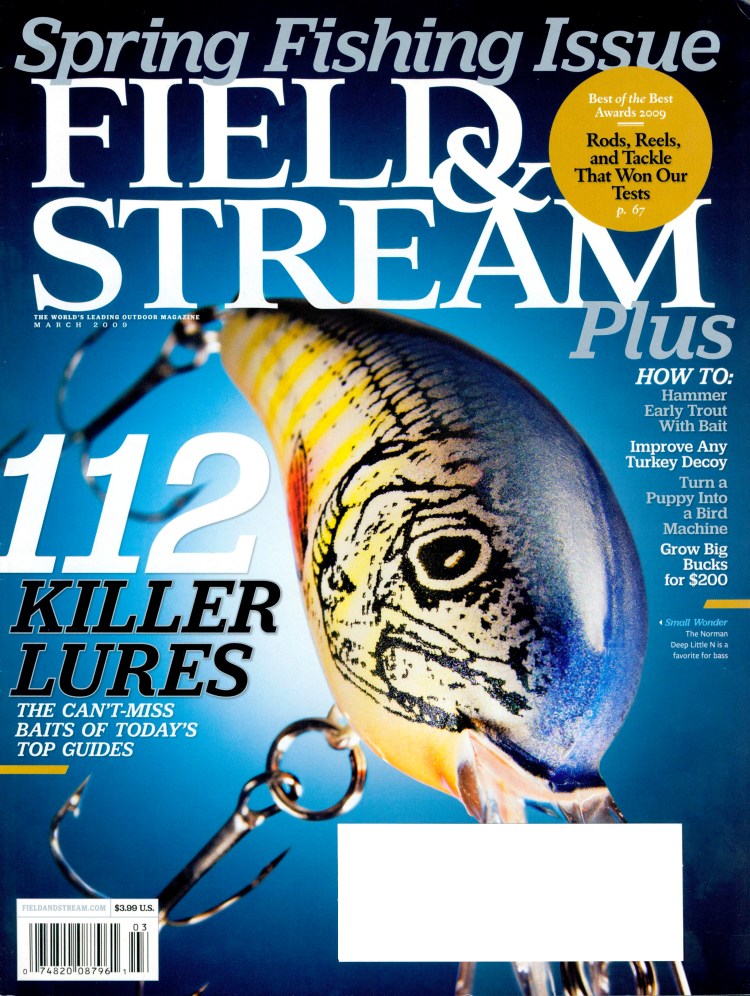
Spencer Jones in Field & Stream

Check out the new issue of Field & Stream! Spencer Jones shot the Best of Fishing 2008 Field Test!

(We highly recommend pages 67 – 74)

Field and Stream cover

Page 67

Pages 68-69

Pages 70-71

Page 72

Page 74

Like what you see?

If you have any questions about Spencer Jones or any of the Glasshouse Assignment photographers, please contact assignment rep Jacqueline Bovaird.

212 . 462 . 4538  |  jacqueline@glasshouseassignmen.com

Q&A: How does competition affect you?

That’s the question we’ve posed to some creative professionals (photo editors, photographers, art buyers, etc.) this month. We hope their answers will not only be enjoyable to read, but informative and thought provoking as well. I plan on throwing out many more questions like this in an effort to bring you all something valuable for your inbox and this blog. I hope you enjoy reading on! Feel free to email me with any comments or if you’d like to contribute to the next round.

– Jacqueline Bovaird, Assignment Representative


Click here to view our assignment email, which contains abridged versions of the answers below.

How does competition affect you?


Field and Stream Logo

AMY BERKLEY, PHOTO EDITOR, FIELD AND STREAM MAGAZINE:

I do look at other men’s magazines (like Esquire, GQ, Best Life, Wired, Texas Monthy…etc.) I do this to be inspired as well as see who shoots for them because I am always curious about that sort of thing. However, I definitely choose my photographers based on their talent and if their style is appropriate for the look of F&S. I don’t ever think that looking at other magazines is harmful. It pushes you to be the best and keep competitive. I think any photo editor who isn’t looking at other magazines isn’t feeding their brains. A magazine, as our former Editor In Chief, Sid Evans, used to say is like a living organism…it is always changing, should always be changing on some level. So I am always thinking that way and trying to push it forward to get better and better!

Ryan Schude, Glasshouse Assigment

RYAN SCHUDE, PHOTOGRAPHER:

Competition is almost always helpful. It generates more interest into whatever you are trying to push as well as constantly raising the bar for quality. Many times I become concerned that there is a larger supply of photographers than the demand for photos, not to mention those that provide an inferior product at a lower price to a consumer that isn’t concerned about the difference. The hope is to stand out from this group by offering a style that isn’t available to the masses and therefore avoid the negative aspects of competition.

Miha Matei, Glasshouse Assigment

MIHA MATEI, PHOTOGRAPHER:

I think competition is very healthy, because it forces photographers to be on top of their game, promotes creativeness and encourages us to put out the best work that we can. In terms of money, I think it’s a sensitive subject, because if photographers
underbid on assignments it lowers the standards for everybody. I’m a big believer in the idea that you get what you pay for. If a photographer feels that he or she is well compensated they will put forth more effort than if they feel like they are giving the client a bargain on their work.

Erica Beckman, photographer

ERICA BECKMAN, PHOTOGRAPHER AND PHOTO EDITOR, WALL STREET JOURNAL:

As both photographer and photo editor it’s great to have the bar raised by your peers.  Competition gives you that edge that motivates and inspires you to work harder to push boundaries, focus and/or take risks, which can be very healthy.  It doesn’t have to involve undermining or usurping other professionals in the field: some of my greatest friends and mentors are also my competition.

Derrick Gomez, Glasshouse Assignment

DERRICK GOMEZ, PHOTOGRAPHER:

(excerpt from full essay here…. read it! It’s amazing!)

Personally, for me its not about competition being objectively helpful or hurtful.  The answer to that question would rely on whether or not the respondent is an optimist or a pessimist.  Photography is competitive, now more than ever.  And a week from now, it will be more
than that.  Its inevitable. The only thing we have control over is how we react to the situation.

More competition is the basic direction the world of media is moving towards.  There is no getting around it.  So you either adapt to survive, or you miss out.  The increased competition should not be viewed as healthy or hurtful, but rather an exciting change of pace
and an incredible opportunity.

SHEILA HO, ACCOUNT MANAGEMENT, INTERACTIVE MARKETING/ADVERTISING, FULLSIX:

FullSIX logo

I’m in interactive marketing so I don’t see directly any sort of client competition that would otherwise come into play with my performance or approach. What I/my company does is work with clients to build databases and communities through website (marketing) features to connect with their consumers. We create an intimate or exclusive virtual community that acts as a bridging link between a company and their customers as well as a communications outreach tool to attract prospective demographics.

In terms of competition, it is helpful to know what sort of website marketing and community sites other companies are offering their consumers and effective ways to draw in sign up/registration but the approach is not to define, analyze and punch out competitors as it is to create the most effective, aesthetically appealing and user friendly website that will appeal to, engage and interact with users on all platforms.

Jesse Dittmar, Photographer

JESSE DITTMAR, PHOTOGRAPHER:

As an emerging photographer, competition both humbles and motivates me. I take a lot of time to see who else out there is working hard and making it. It provides me with a great idea of what is successful in the photography business, and how my work might fit in, or stand out, in comparison to my peers. But, looking at other photographers work can be overwhelming. There are so many different ways to solve photographic problems that it is easy to lose a voice while being exposed to the sheer volume of photographers I compete against. Its extremely difficult but essential to get over this. At the end of the day, when I suppress the anxiety for how vast this industry is, competition is another force that drives me to keep working, learning, and pushing as hard as I can.

Thank you everyone who participated!! Keepa look out for next month’s question and email blast!!

If you have any ideas, comments, or if you’d like to participate in our monthly email Q&A, please don’t hesitate to contact me, Jacqueline Bovaird. I am always looking for new voices to add to this discussion.

212 . 462 . 4538  |  jacqueline@glasshouseassignment.com

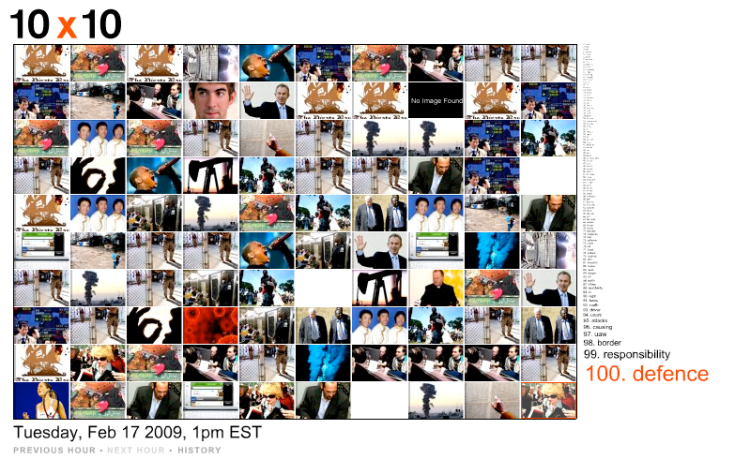
10×10

If you don’t know the name Jonathan Harris, I suggest you fervently read on. I ran into this website today and am instantly obsessed with the idea and the performance of 10×10. Rather than summarizing it for you, here is the text from the site (here).

10x10

“10×10™ (‘ten by ten’) is an interactive exploration of the words and pictures that define the time. The result is an often moving, sometimes shocking, occasionally frivolous, but always fitting snapshot of our world. Every hour, 10×10 collects the 100 words and pictures that matter most on a global scale, and presents them as a single image, taken to encapsulate that moment in time. Over the course of days, months, and years, 10×10 leaves a trail of these hourly statements which, stitched together side by side, form a continuous patchwork tapestry of human life.

10×10 is ever-changing, ever-growing, quietly observing the ways in which we live. It records our wars and crises, our triumphs and tragedies, our mistakes and milestones. When we make history, or at least the headlines, 10×10 takes note and remembers.

Each hour is presented as a picture postcard window, composed of 100 different frames, each of which holds the image of a single moment in time. Clicking on a single frame allows us to peer a bit deeper into the story that lies behind the image. In this way, we can dart in and out of the news, understanding both the individual stories and the ways in which they relate to each other.

10×10 runs with no human intervention, autonomously observing what a handful of leading international news sources are saying and showing. 10×10 makes no comment on news media bias, or lack thereof. It has no politics, nor any secret agenda; it simply shows what it finds.

With no human editors and no regulation, 10×10 is open and free, raw and fresh, and consequently a unique way of following world events. In 10×10, we respond instinctively to patterns in the grid, visual indicators of relevance. When we see a frequently repeated image, we know it’s important. When we see a picture of a movie star next to a picture of dead bodies, we understand the extremes that exist in our world. Scanning a grid of pictures can be more intuitive than reading headlines, for it lets the news come to life, and everything feels a bit less distant, a bit closer to heart, and maybe, if we’re lucky, gives us pause to think. ” Read more here about how it works.

Amazing right? What do you think? Click here to see what’s up right now.

New Work From Ryan Schude

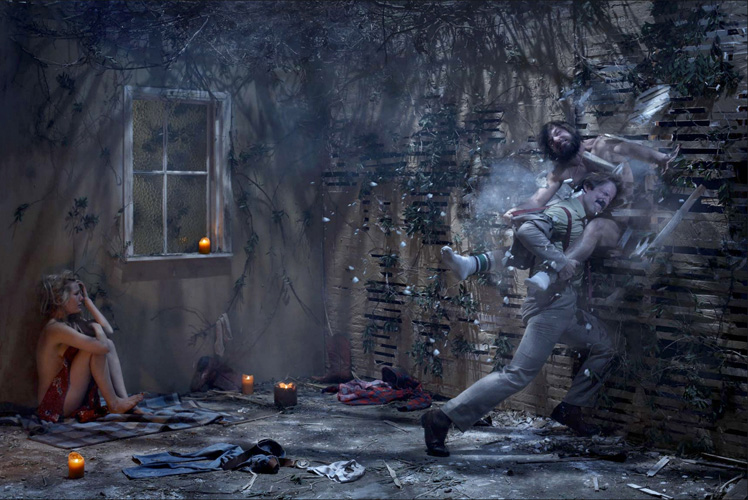
If you’re like me, the emergence of a new Ryan Schude image makes your day. Well for you, my loyal blog readers, I give you a preview of Ryan’s new creation!

Ryan Schude

What do you think? Yes, yes… you’re welcome. To check our Ryan’s portfolio on our site, click here. To go to his site directly, click here.

If you have any questions, comments, or complements about Ryan or any of our other photographers contact his rep, Jacqueline Bovaird.

212 . 462 . 4538  |  jacqueline@glasshouseassignment.com
Paolo Pellegrin’s “Great Performers” looks better online?

While I never thought I’d say this, I’m starting to enjoy photo essays online.

(Gasp!)

I know I know… it is almost painful to say out loud. Stop judging and just hear me out! This week’s New York Times Magazine’s gorgeous photo essay “Great Performers” by Paolo Pellegrin may just be what converts me to the dark side. In the printed edition from this past weekend, Paolo’s images are, of course, beautiful. However, it is the digital presentation (here) on the NYT website which, I feel, really shows them off.
Sean Penn, Paolo Pellegrin, NYT

Digital versions of printed photo essays almost always allow for more images than is conceivable in a printed layout and many times you can view the images larger than they appear printed. All this taken into account, I am still so enamored with the process of turning the pages and the brief moments I spend on Sundays away from my computer. These particular downfalls of online magazines are often compensated by the NYT with audio commentary and seamless display, letting the images take rein over words in all their full-screen glory.

Penelope Cruz, Paolo Pellegrin, NYT

Robert Downey Jr., Paolo Pellegrin, NYT

While I’m certainly not announcing that my preference for printed matter has shifted dramatically, this recent development makes me think that when the inevitable happens and all magazines become web-only, it might not be so bad.

Kate Winslet, Paolo Pellegrin, NYT

Kat Dennings, Paolo Pellegrin, NYT

What do you think?? If you have an opinion, please leave a comment!

Check out the NYT presentation here.

Questions to Manjari Sharma

As promised, here is work from the amazing photographer Manjari Sharma. As I mentioned in a previous post, Manjari and I met at a studio party and found we had oodles of common interests. Already impressed with her evident compassion for her work, Manjari then sent me some images from her most recent trip to Brazil, which blew me away.

Travel photography is a beast all it’s own. How can you possibly take a photo which hasn’t been taken before? Well… my answer is: It’s not about finding landmarks others haven’t, or being the first one to photograph something. In my opinion it is all about the rhythm of a place in combination with the photographer’s own take on the world.

Manjari Sharma, Water

This particular series of Sharma’s photos make me desperate to know more about the culture and the history of the place. Luckily, Manjari Sharma was kind enough to answer some of my questions about her work, which I think you’ll all find interesting.

ENJOY!

Let me know what you think! Does this qualify as travel photography simply because it is not in our own backyard? What’s your definition?

Manjari Sharma, Water
How does your specific background in photography influence these images?

My strength has always been composition. A big success of these images is paying homage to the reduction theory. Which basically stands for taking a given scenario and de-cluttering the image. You keep breaking it down until you get to it’s essence. I use this analogy from watching my mom make her own clarified butter, also known as “Ghee” in my language.

Manjari Sharma, Water

Manjari Sharma, Water

The water here seems so imposing and powerful, much more so than your figures. Do you feel people are living their lives in harmony with the water or at odds with it?

I feel there is balance; Sometimes a harmony, Sometimes contemplation, Sometimes confrontation. Mostly it’s a study of a relationship in between man and nature and how we relate with what we are mostly composed of. Water.

I feel that there is a dialogue and a message that I have always believed in that comes across strongly in these images and that is, the will of nature will always prevail. Often times man has tried to fight that theory but we find ourselves surrendering and assimilating.


Manjari Sharma, Water

This work is so different than the other projects on your website. Do you see your style and your images evolving or is this evidence of a different side of your work that might not normally be seen by clients?

There has been traces of this style of shooting throughout my photographic life, I just had not embarked on a series yet. After the completion of this project this was even more apparent to me than ever. Recently in 2008 I presented my work at Pecha Kucha which is a great avenue for artists to get together and take a look at cross disciplinary work.
My subject was mostly scale and the juxtaposition of little to large. So far I’ve had a smattering of images in this style, but this cohesive body is certainly a first.

Manjari Sharma, Water

Info on Manjari Sharma from her website:
After working with India’s premier publications The Times Of India and Better Photography, chasing image making is what brought Manjari to the United States in 2001. In 2004 she graduated from Columbus College of Art and Design in Columbus Ohio, her first home in the US. In Columbus Manjari assisted many respected commercial shooters and also photographed some extremely passionate musicians. Manjari moved to India to travel through her homeland for 6 months voyaging an extensive part of her country and reconnecting with her roots, she moved to New York City in late 2007. As Manjari currently freelances in New York City, her recent achievements include eight honorable mentions in the IPA Lucie Awards, she has already worked for well known clients such as AOL, American baby, Penguin Books and has worked with acclaimed photographers such as Steve McCurry, David Alan Harvey and Eric Ogden. Manjari’s travels have taken her to Malaysia, Thailand, Singapore and recently to Brazil.

Don’t forget to check our Manjari Sharma’s new site here!